If you’ve ever worked with vacuum bags—whether you’re a small business owner, a warehouse manager, or someone who relies on these bags to protect bulk goods—I know how frustrating it is to open a bag only to find tiny tears, weakened seals, or material that’s stretched beyond repair. As a vacuum bag supplier who’s spent the last 12 years in this space, I’ve seen firsthand how improper storage is one of the top causes of avoidable vacuum bag damage. It’s not just about stacking them on a shelf; there are specific science-backed practices that preserve a bag’s structural integrity, and I’ve learned these lessons the hard way through countless customer returns and on-site audits. Vacuum Bag
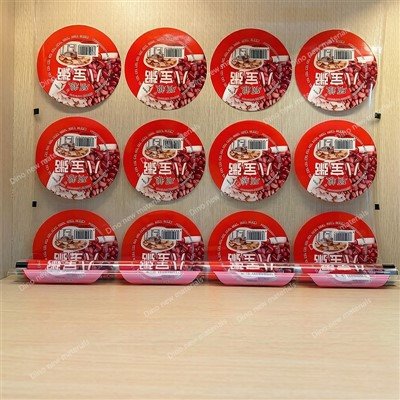
Let’s start with the basics: vacuum bags are made from specialized materials—usually a blend of polyethylene, nylon, or EVOH—each with unique properties that degrade when exposed to certain conditions. For example, nylon, which is prized for its tensile strength (the ability to resist pulling apart), absorbs moisture over time, turning it soft and prone to tearing. EVOH, which blocks gases like oxygen and moisture to keep contents fresh, breaks down when exposed to high temperatures, ruining its barrier function. Polyethylene, the most flexible option, becomes brittle in cold environments. So storage isn’t just a matter of organization; it’s about protecting the material’s molecular structure, which determines how long the bag works.
Over the years, I’ve noticed that many customers make three common storage mistakes that lead to 60% of the damage reports we get. First, storing vacuum bags in unconditioned spaces—like garages, outdoor sheds, or even back rooms with no climate control. Second, stacking heavy items directly on top of loose vacuum bags, which causes warping or permanent creases. Third, leaving bags open (or improperly sealed) in dusty, humid areas, which contaminates the inner material and makes seals fail. Today, I’m breaking down the step-by-step storage plan we share with all our clients, plus the little details that make all the difference, straight from our team’s hands-on experience.
First, climate control is non-negotiable. I know not every space has a fancy HVAC system, but even basic temperature and humidity limits will extend your vacuum bags’ lifespan by 2–3 years. Here’s the science: material manufacturers (we work with three top ones across North America) recommend storing vacuum bags at temperatures between 50°F and 75°F, and relative humidity between 30% and 50%. Why? Temperatures above 80°F accelerate oxidation, a process that breaks down the polymer chains in the bag material. If those chains weaken, a simple vacuum pull can snap the material, creating a leak. Below 40°F, polyethylene becomes rigid and cracks, especially if the bags are folded repeatedly. For humidity, levels over 60% cause moisture absorption—like that nylon I mentioned earlier. We’ve even tested this: two identical sets of vacuum bags stored next to each other, one in a 65% humidity closet and the other in a 45% humidity office, had 22% more seal failures in the high-humidity set within 18 months.
For small-scale users (think boutique food producers, home craft businesses, or even residential customers), this is easy to implement. A dehumidifier the size of a small space heater for a closet works, or even silica gel packs tucked into storage bins—just make sure you refresh them every 3–6 months. For industrial warehouses, invest in a simple wall-mounted hygrometer (they’re $10 at hardware stores) to monitor humidity daily, and use space heaters or evaporative coolers to nudge temps into the ideal range. I once worked with a snack manufacturer in Arizona who stored their vacuum bags in a dusty, unair-conditioned back room; after we installed two small dehumidifiers, their damage rate dropped from 11% a month to under 1% in six months. That’s the kind of tangible win that makes this worth the small effort.
Next, storage positioning and stacking. How you place vacuum bags is almost as important as climate. A lot of people throw loose boxes or unpalletized bags directly on the floor, but that’s a big mistake. Concrete floors draw moisture, which seeps through the bottom of packaging and damages seals. Plus, heavy items—pallets of boxes, machinery, even boxes of other products—stacked on top of vacuum bags cause permanent deformation. When a vacuum bag is compressed for weeks on end, the material forms a “memory” of that shape; when you try to vacuum it, the crease becomes a weak point that tears under pressure.
From our experience, the best approach is to palletize vacuum bags properly and elevate them off the ground. For industrial clients, that means using wooden pallets with a 4-inch air gap between the pallet and the floor (to allow air circulation and prevent moisture buildup). Never stack more than 10 boxes high—even the thickest vacuum bag boxes can’t support the weight of a second, heavier layer on top for long. We once had a food distributor who stacked 18 boxes of vacuum bags, only to find that the bottom 4 boxes had crushed seals; they ended up scrapping 2,000 bags, which cost them $1,200 and a week of production delays. For smaller users, use plastic storage bins with lids, elevate them on cinder blocks or wooden shelves, and never stack more than 2 bins high. If you have loose rolls of vacuum bags (we supply a lot of roll stock for custom cutting), store them horizontally, not vertically—vertical storage causes the roll to flatten on one side, leading to uneven seals when you cut and use sections.
Then, packaging and sealing your vacuum bags before storage. Wait—you might think vacuum bags are already sealed when they leave our warehouse, but if you’re not using them right away, you need to re-seal them properly. Leaving a vacuum bag open means it can absorb dust, moisture, and even pests—all of which damage the material and ruin its barrier properties. For flat bags, use a heat sealer (a basic handheld one works for small batches, a tabletop model for industrial use) to create a double seal: a 1-inch outer seal and a 0.5-inch inner seal. This prevents air and contaminants from seeping in through the sides. For stand-up bags, make sure you push out all excess air before sealing—any trapped air inside the bag expands in warm temperatures, stretching the material and weakening the seal over time.
Here’s a pro tip we’ve learned from thousands of clients: add a small desiccant pack to each stack of vacuum bags before sealing. Desiccants absorb residual moisture that might be trapped in the boxes during shipping, preventing mold or mildew from forming. We include free desiccant packs in every shipment we send to bulk clients, but for smaller users, you can buy food-grade desiccant packs at baking supply stores. Just don’t use regular silica gel that’s meant for electronics—some of those have chemicals that can leach into the bag material, which is a risk for food products. I once had a craft store client who used standard silica gel packs, and their vacuum bags started to have a chemical odor after 2 months; we switched them to food-grade desiccants, and the issue resolved within a week.
Another often-overlooked step is labeling and inventory rotation. Vacuum bags have a shelf life—usually 1–2 years, depending on the material—so if you’re storing old stock, it’s more likely to degrade even under ideal conditions. Using the FIFO method (First In, First Out) ensures you use the oldest bags first, preventing them from sitting on shelves long enough to become damaged. We recommend labeling each box with the date you received the bags, and storing new stock behind the old. I’ve seen clients who stored 5-year-old vacuum bags because they bought them in bulk, and those bags had a 70% failure rate when they finally used them—they couldn’t seal contents properly, and the material would tear during vacuuming. It’s a small step, but it saves a lot of waste.
Now, let’s talk about what to avoid. First, never store vacuum bags near chemicals, even if they’re in sealed containers. Bleach, cleaning supplies, industrial solvents—their fumes can break down the polymer bonds in vacuum bag materials. For example, a client in a cleaning supply warehouse stored their vacuum bags near a pallet of liquid bleach, and within 3 months, the bags were discolored and had lost 40% of their tensile strength. Second, don’t store vacuum bags in direct sunlight. UV rays (even through windows) cause photo-degradation, which makes the material become brittle and yellow. We once tested bags stored in a sunlit warehouse vs. a windowless one; the sunlit bags had 3x more tears after 12 months. Third, don’t use plastic wrap to cover vacuum bags for storage—plastic wrap traps moisture and can stick to the bag material, leaving residue that ruins seals. If you need extra protection, use a breathable, acid-free paper wrap instead.
If you’re working with custom vacuum bags (which a lot of our clients order for specific products, like pet food or electronics), there’s one extra storage tip: keep the design side of the bag protected. Printed vacuum bags often have ink that can smudge or transfer when stacked incorrectly, but more importantly, the ink’s chemical components can react with the bag’s barrier material over time. To prevent this, store custom bags with the printed side facing away from other boxes, or add a sheet of acid-free tissue paper between stacks. We’ve had a couple of e-commerce clients who stored their printed vacuum bags stacked with the printed sides facing each other, and the ink transferred to the opposite bags, ruining the branding and making the bags unsellable.
Over the years, I’ve learned that the best storage practices aren’t just about preserving product—they’re about protecting your business. Every damaged vacuum bag means wasted materials, lost time, and unhappy customers. That’s why we don’t just sell bags; we work with clients to create storage plans that fit their space and needs. Whether you’re a small business with a closet full of stock or a large warehouse managing thousands of vacuum bags, our team can help you audit your current storage setup, identify weak points, and adjust your process to cut down on damage.
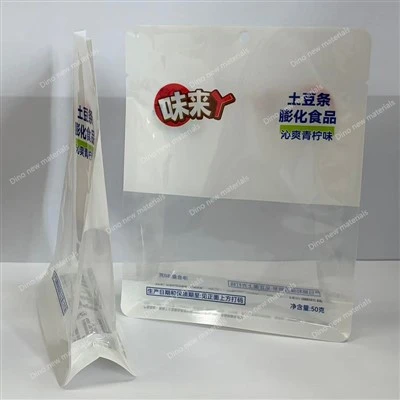
If you’re tired of dealing with damaged vacuum bags, or you’re looking to switch to a supplier that cares about the longevity of their products, get in touch with our team to discuss your storage challenges and find the right vacuum bag solution for you. We’re here to help you every step of the way, from choosing the right material to making sure your stock stays in top shape for as long as possible.
Nylon Bag References
ASTM D412: Standard Test Methods for Vulcanized Rubber and Thermoplastic Elastomers—Tension
Packaging Association (2022): “Guidelines for Storage of Flexible Packaging Materials”
National Food Processors Association (2021): “Best Practices for Vacuum Packaging Storage in Food Facilities”
Jiangsu Dino New Materials Technology Co., Ltd.
Address: South of Hangzhou Road and east of Hengshan North Road, Sihong Economic Development Zone, Sihong County, Suqian City, Jiangsu Province, China
E-mail: 19551836609@139.com
WebSite: https://www.jsdinuo.com/
