Hey everyone, if you’re in the AAC block game, you’ve probably heard folks ramble about how durable their turning cutting systems are—usually with a bunch of vague “it’ll last forever” lines. As a supplier who’s been knee-deep in building and refining these machines for over a decade, I get the confusion. People ask me all the time: “What’s the real service life of an AAC turning cutting system?” No, it’s not some random number pulled out of thin air. It depends on a dozen things, from how you use the machine to the parts you put in it. Let me break this down like I chat with my regulars at trade shows—no jargon, just straight talk. AAC Turning Cutting System
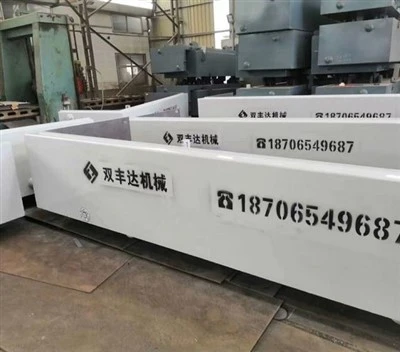
First off, let’s define what we’re even talking about here. The AAC turning cutting system isn’t just a saw or a cutter—it’s that whole assembly that turns your fresh AAC batch (that soft, foamy block right after it’s cured just enough) into the blocks, panels, or shapes you need. It handles slicing the top skin, turning the block 90 degrees so you can cut it into the right dimensions, and all that precision cutting work. Cheap machines might fall apart in 2-3 years, but the good ones? Well, let’s start with the baseline: a properly maintained, high-quality system should hit 10-15 years of reliable service, minimum. But wait—don’t hold me to that without the fine print, because I’ve seen machines run 20+ years for folks who take care of ’em, and others die in 5 because they skipped maintenance.
Here’s the big secret: it’s not the machine itself as much as how you run it. Let’s dive into the factors that swing that number way up or down. First, operating hours and load. If you’re running your system 24/7, 6 days a week, cranking out 1000 cubic meters of AAC a month, that’s way different from a small plant running 8 hours a day, 5 days a week. High-load, round-the-clock operation wears parts faster—the blade holders, the turning gear, even the linear guides that move the cutting car. I’ve had a client in Southeast Asia who runs his plant non-stop; his system just hit 12 years, and he’s only had to replace wear parts (more on that later) and a single motor. Another small plant in Ohio runs 40 hours a week; their machine is 18 years old and still going strong, just a few tweaks now and then. That’s a huge difference.
Next up, maintenance—this is the make-or-break. I’ve seen machines with a bad bearing that no one changed, which threw off the whole alignment, so every cut was wonky, and eventually, the turning gear wore out completely. Total machine failure at 4 years, all because they skipped a $50 bearing replacement. The good news? Routine maintenance doesn’t take that long, and it’s way cheaper than replacing a whole system. Let’s outline what we tell our customers: every 1000 operating hours, you check the chain tension, lubricate the linear rails, inspect the cutting wires for fraying, and torque all the bolts (vibration loosens them, who knew?). Every 5000 hours, you do a deeper dive—check the turning gear’s backlash, calibrate the cutting tolerance, test the motor’s power. Folks who stick to this routine see their service life jump by 5-7 years, easy. I can’t tell you how many times a customer has called me panicking because their machine is acting up, and it’s just because they forgot to lubricate the rails. Simple fix, saves their machine.
Then there’s parts quality. This is where you get what you pay for. A lot of cheap AAC turning cutting systems use imported cutting wires, low-grade bearings, and flimsy steel frames to cut costs. Those parts wear out way faster. For example, a standard high-carbon cutting wire from a reputable supplier will last 8-12 hours of cutting; a cheap wire might break after 2 hours, and that extra wear can nick the blade holders or damage the block guides. Our machines use reinforced alloy steel for the turning mechanism, precision bearings from brands we trust, and cutting wires that are tested to handle heavy loads. We’ve had customers switch from cheap parts to ours, and their machine’s service life went from 7 years to 13. It’s a no-brainer, really—cutting corners on parts costs you more in the long run.
Wait, let’s not forget about environmental factors. If your plant is in a super humid place, like coastal India, or dusty, like parts of the Middle East, that speeds up wear. Humidity causes rust on the steel parts, dust gets into the gears and scratches the linear rails. A machine in a dry, moderate climate will last longer than one in a harsh environment. So, if you’re operating in a tough spot, you need extra care—maybe more frequent lubrication, covers for the machine when it’s not running, sealing the gear boxes to keep dust out. It adds a little work, but it extends your system’s life a lot.
Now, let’s talk about the parts that wear out, because people always ask: “What do I have to replace, and how often?” These aren’t considered “end of service life” items—they’re routine replacements that keep the machine going. Cutting wires: 200-500 shifts, depending on load. Bearings: 5000-8000 hours, if you maintain ’em. Linear guides: 10,000-15,000 hours. The frame? That’s the big one—if it’s made from heavy, quality steel, the frame will last as long as you maintain it, because the frame doesn’t move, doesn’t get worn from cutting. So when people say “service life,” they’re usually talking about when you have to replace the major moving parts, not the whole machine. That’s a common mix-up. A customer might say their system is at end of life at 12 years, but really, they just need to replace the turning gear assembly, which is a fraction of the cost of a new machine.
I also want to address a myth out there: “All turning cutting systems are the same, so service life is identical.” Nope. We’ve tested our own machines against other top brands, and even between two of our systems, a high-output model (for big plants) will have a slightly shorter service life than a small, low-output model, just because it’s under more load. But the gap isn’t huge—if you maintain both, it’s 12 vs 15 years, not 5 vs 15. The brand matters too, obviously. We build our systems to ISO standards, with every component tested before it leaves the warehouse. Other brands might cut corners on design, so their systems have more stress points, which break sooner.
Wait, let’s share a real example to make this concrete. Last year, a customer from Indonesia contacted me because his 10-year-old turning cutting system was acting up. He told me he runs his plant 24/7, and he’d only replaced cutting wires and a couple of small bearings in that decade. We sent a technician to check it out, and the major parts (turning gear, cutting carriage motor, linear rails) were all still in good shape—he just needed to re-calibrate the alignment and tighten a few loose bolts. His system will easily go another 5 years if he keeps up the maintenance. On the flip side, a customer from Nigeria called me 3 years after buying a cheap system from a no-name supplier. The turning gear had seized up, because the manufacturer used low-grade bearings that rusted from the tropical humidity. Total replacement cost for the gear: almost half of a new machine, and even if he replaced it, he’d likely have more issues with flimsy parts down the line. So he ended up buying a new system from us, because it was cheaper in the long run.
That’s the other angle: cost of ownership. The service life isn’t just a number—it’s tied to how much you spend over the years. A cheap machine might seem like a steal upfront, but if it only lasts 5 years, that’s way more expensive per year than a $100k machine that lasts 15. The key is to balance upfront cost with quality parts and design. For most small to mid-sized AAC plants, that 10-15 year service life is the sweet spot, and with good maintenance, you can push it to 20.
Now, let’s talk about when you actually do need a new system. If you’re having to replace major components every 2 years, if the cutting tolerance is off by more than 2mm (which makes your blocks unusable for construction), or if the energy consumption goes way up because the old motor is inefficient, that’s when it’s time to upgrade. But that’s rare if you pick a quality system and take care of it.
So, to wrap this up, the short answer is: a well-built AAC turning cutting system, used and maintained properly, will have a service life of 10 to 15 years. But that’s not a hard limit—skip maintenance and cheap parts, and it’s half that; be diligent with upkeep and use high-quality components, and it can go 20+ years. The biggest mistake people make is treating the machine like a set-it-and-forget-it tool. It needs regular check-ins, just like your car or your truck.
If you’re in the market for a new AAC turning cutting system, or you want to extend the life of the one you’ve got, we’re here to help. We can walk you through maintenance schedules, help you pick the right parts for your plant, and answer any questions you have about service life or performance. Don’t waste money on cheap machines that’ll die in a few years—invest in something that’ll grow with your business. Reach out to us to chat about your needs, and we can put together a solution that fits your budget and your timeline.
AAC Ingredient Pouring System References
- AAC Manufacturing Equipment Maintenance Guidelines, International Association of Autoclaved Aerated Concrete Producers, 2022
- "Service Life Analysis of Precision Cutting Equipment for Lightweight Concrete," Journal of Construction Equipment Engineering, Vol. 14, No. 3, 2021
- Industrial Equipment Durability and Cost of Ownership Report, Global Construction Machinery Association, 2023
Qingzhou Shuangfengda Machinery Engineering Co., Ltd.
As one of the most professional AAC turning cutting system manufacturers and suppliers in China, we’re featured by quality products and good price. Please rest assured to buy durable AAC turning cutting system for sale here from our factory. Customized orders are welcome.
Address: Gaojiazhuang Village, Gaoliu Town, Qingzhou City, Shandong Province
E-mail: lenhond@163.com
WebSite: https://www.sfdmachinery.com/
