As a seasoned supplier of concrete mixers, I understand the critical importance of maintenance intervals in ensuring the longevity, efficiency, and safety of these essential construction machines. In this blog post, I’ll delve into the key aspects of maintenance intervals for concrete mixers, covering everything from daily checks to long – term servicing. Concrete Mixer

Daily Maintenance
Daily maintenance is the foundation of a well – running concrete mixer. It might seem like a hassle, but these quick inspections can prevent major problems down the line.
Visual Checks
Before starting the mixer each day, give it a thorough visual inspection. Look for any signs of leaks, whether it’s water, oil, or hydraulic fluid. Leaks can not only lead to a loss of efficiency but also cause damage to components over time. Check the belts and chains for any signs of wear, such as fraying or excessive slack. Tighten them if necessary, as loose belts and chains can slip, reducing the power transfer and potentially causing the mixer to malfunction.
Inspect the blades and paddles inside the mixing drum. They should be securely attached and free from excessive wear. If they are worn down, it can affect the quality of the concrete mix, leading to inconsistent results. Also, look for any debris or hardened concrete stuck to the blades or the inside of the drum. This debris can interfere with the mixing process and cause uneven mixing.
Lubrication
Proper lubrication is essential for the smooth operation of moving parts. Check the lubrication points on the mixer, such as the bearings, gears, and shafts. Add the appropriate lubricant as recommended by the manufacturer. Insufficient lubrication can lead to increased friction, which in turn can cause overheating, premature wear, and even breakdowns. Make sure to use the right type of lubricant for each component, as different parts may require different viscosities and properties.
Cleaning
After each use, clean the concrete mixer thoroughly. Remove any remaining concrete from the drum, hopper, and discharge chute. Use a high – pressure water jet if available, but be careful not to damage any electrical components. Cleaning not only prevents the build – up of hardened concrete, which can be difficult to remove later, but also helps to maintain the appearance and functionality of the mixer.
Weekly Maintenance
In addition to the daily checks, the concrete mixer requires more in – depth maintenance on a weekly basis.
Electrical System Check
The electrical system is a crucial part of the concrete mixer. Check all the electrical connections for tightness and signs of corrosion. Loose connections can lead to electrical failures, while corrosion can cause poor conductivity and potentially start a fire. Inspect the wiring for any signs of damage, such as cuts or abrasions. If any issues are found, they should be repaired immediately by a qualified electrician.
Test the safety switches and emergency stop buttons to ensure they are functioning properly. These safety features are essential for protecting operators in case of an emergency, so it’s important to verify their reliability regularly.
Hydraulic System Check
If your concrete mixer is equipped with a hydraulic system, check the hydraulic fluid level. Low fluid levels can cause the system to lose pressure, resulting in reduced performance. Look for any signs of leaks in the hydraulic hoses and connections. A leaking hydraulic system not only wastes fluid but can also lead to a loss of power and control.
Inspect the hydraulic filters. Clogged filters can restrict the flow of fluid, causing the system to work harder and potentially leading to damage. Replace the filters if they are dirty or clogged according to the manufacturer’s recommendations.
Monthly Maintenance
On a monthly basis, a more comprehensive inspection and maintenance routine should be carried out.
Drum Alignment
Check the alignment of the mixing drum. Over time, the drum can become misaligned due to vibrations and regular use. A misaligned drum can cause uneven mixing and put additional stress on the bearings and other components. Use the appropriate measuring tools to ensure that the drum is properly aligned. If misalignment is detected, it may be necessary to adjust the drum or its supports.
Component Wear Inspection
Inspect all the major components of the concrete mixer for wear and tear. This includes the motor, gears, and couplings. Check the motor for any abnormal noises or vibrations, which could indicate a problem with the bearings or the electrical system. Examine the gears for signs of tooth wear, pitting, or scoring. If any components are worn beyond the acceptable limits, they should be replaced promptly to prevent further damage to the mixer.
Quarterly Maintenance
Quarterly maintenance allows for a detailed examination of the concrete mixer’s overall condition.
Structural Integrity Check
Inspect the structural components of the mixer, such as the frame and chassis. Look for any signs of cracks, deformation, or rust. Cracks in the frame can compromise the stability of the entire machine, while rust can weaken the metal and lead to structural failure. If any structural issues are found, appropriate repairs should be carried out, including welding or replacing damaged parts.
Calibration of Measuring Devices
If your concrete mixer is equipped with measuring devices, such as weighing sensors or volume gauges, it’s important to calibrate them at least quarterly. Accurate measurements are crucial for producing consistent and high – quality concrete mixes. Use calibrated reference weights or known volumes to verify the accuracy of the measuring devices. If they are found to be inaccurate, they should be adjusted or repaired by a professional.
Annual Maintenance
Annual maintenance is the most extensive and important maintenance interval for a concrete mixer. It involves a complete overhaul of the machine to ensure its long – term reliability.
Complete Disassembly and Cleaning
Completely disassemble the concrete mixer and clean all the components thoroughly. This allows for a detailed inspection of every part and removes any built – up dirt, debris, and hardened concrete that may have accumulated over the year. Use appropriate cleaning agents and tools to ensure a thorough clean.
Replacement of Wear Parts
Replace all the wear parts, such as the blades, paddles, belts, chains, bearings, and seals. These parts are subject to constant friction and wear during normal operation, and replacing them annually helps to maintain the performance and efficiency of the mixer.
Performance Testing
After reassembly, conduct comprehensive performance testing of the concrete mixer. This includes testing the mixing speed, power consumption, and the quality of the concrete mix. Compare the test results with the manufacturer’s specifications to ensure that the mixer is operating within the acceptable range. If any performance issues are detected, further investigation and adjustments may be required.
Importance of Adhering to Maintenance Intervals
Adhering to the recommended maintenance intervals is not just about keeping the concrete mixer in good working condition; it also has several other benefits.
First of all, regular maintenance can significantly extend the lifespan of the concrete mixer. By addressing small issues before they become major problems, you can avoid costly repairs and premature replacement of the machine. This is a great way to get the most out of your investment.
Secondly, a well – maintained concrete mixer operates more efficiently. It consumes less energy, produces better – quality concrete mixes, and has fewer breakdowns. This can lead to increased productivity on the construction site and lower operating costs.
Finally, safety is a top priority in the construction industry. Regular maintenance ensures that all the safety features of the concrete mixer are functioning properly, reducing the risk of accidents and injuries to operators.
Contact for Purchase and Consultation
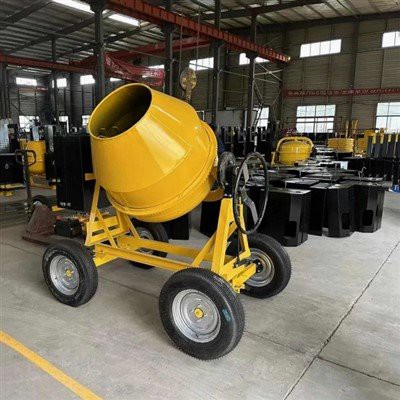
If you are in the market for a new concrete mixer or need more information about maintenance and servicing, feel free to contact us. Our team of experts is ready to provide you with the best solutions tailored to your specific needs. We offer a wide range of high – quality concrete mixers that are designed to meet the demands of various construction projects. Whether you need a small, portable mixer for a residential job or a large, industrial – grade mixer for a major infrastructure project, we have you covered.
Boom Concrete Pump Truck Don’t compromise on the quality and performance of your construction equipment. Invest in a reliable concrete mixer from us and ensure smooth and efficient operations on your construction sites.
References
- "Concrete Mixer Operation and Maintenance Manuals" from various manufacturers.
- "Construction Equipment Maintenance Best Practices" by industry – recognized research institutions.
Shandong Fuxin Automobile Technology Co., Ltd.
We’re well-known as one of the leading concrete mixer manufacturers and suppliers in China, featured by quality products and good price. Please rest assured to buy advanced concrete mixer made in China here from our factory. Contact us for more details.
Address: West of Nanshou Road, Beihai Road, Weifang City, Shandong Province
E-mail: h17616861003@gmail.com
WebSite: https://www.fuxinautomobile.com/
