As a supplier of prepaid energy meters, I’ve witnessed firsthand the critical role that communication protocols play in the functionality and efficiency of these devices. In this blog, I’ll delve into the communication protocols used by prepaid energy meters, exploring their types, advantages, and implications for both suppliers and consumers. Prepaid Energy Meter

Understanding the Basics of Communication Protocols in Prepaid Energy Meters
A communication protocol is a set of rules and standards that govern how data is transmitted between different devices. In the context of prepaid energy meters, these protocols enable the exchange of information between the meter, the utility provider, and the consumer. This information can include energy consumption data, credit balance, tariff rates, and payment status.
The choice of communication protocol depends on several factors, including the distance between the meter and the utility provider, the required data transfer rate, the security of the data, and the cost of implementation. There are several types of communication protocols used in prepaid energy meters, each with its own strengths and weaknesses.
Types of Communication Protocols Used in Prepaid Energy Meters
1. Power Line Communication (PLC)
Power Line Communication uses the existing electrical power lines to transmit data. This is a convenient and cost – effective solution as it eliminates the need for additional wiring. PLC can be used for both short – range (within a building) and long – range (across a distribution network) communication.
One of the main advantages of PLC is its simplicity. Since it uses the power lines, the infrastructure is already in place. However, it also has some limitations. Power lines can be noisy, which can interfere with the data transmission. Additionally, the signal strength can vary depending on the length of the power line and the electrical load.
2. Radio Frequency (RF) Communication
RF communication uses radio waves to transmit data between the meter and the utility provider. It offers several advantages, such as long – range communication, high data transfer rates, and the ability to penetrate obstacles. RF communication can be used in both indoor and outdoor environments.
There are different RF bands available for use, including the license – free bands such as the 433 MHz and 868 MHz in Europe and the 915 MHz in the United States. The use of license – free bands reduces the cost of implementation. However, the drawback of RF communication is that it can be susceptible to interference from other radio frequency sources, and it may require proper antenna installation to ensure reliable communication.
3. Cellular Communication
Cellular communication uses the existing mobile network infrastructure to transmit data. This is a popular choice for large – scale deployment of prepaid energy meters, especially in areas where other communication options are limited. Cellular communication offers high – speed data transfer, wide coverage, and reliable connectivity.
The main advantage of cellular communication is its ability to provide real – time data transfer, which is crucial for monitoring energy consumption and managing prepaid credit. However, it also comes with some challenges, such as the dependence on the mobile network coverage and the associated cost of data plans.
4. Wi – Fi and Bluetooth Communication
Wi – Fi and Bluetooth are short – range wireless communication protocols that can be used in prepaid energy meters, especially for in – home or in – building applications. Wi – Fi offers high – speed data transfer and can be integrated with home automation systems, allowing consumers to monitor their energy consumption through a mobile app or a smart device.
Bluetooth, on the other hand, is suitable for low – power and short – range communication. It can be used for tasks such as meter configuration and data collection using a smartphone. These protocols are user – friendly and easy to set up, but their range is limited, and they may not be suitable for communicating with the utility provider directly.
Advantages of Different Communication Protocols
The choice of communication protocol brings various advantages to different stakeholders. For utility providers, reliable communication protocols ensure accurate and timely data collection. With PLC, the existing power infrastructure can be leveraged, reducing the cost of new installations. RF communication provides flexibility in terms of range and data transfer, allowing for easy monitoring of meters in various locations.
Cellular communication is a game – changer for utility providers as it enables real – time data access, which is essential for energy management and billing. This helps in reducing losses due to inaccurate meter readings and enables better load management.
For consumers, protocols like Wi – Fi and Bluetooth offer a more personalized experience. They can easily monitor their energy consumption on their smartphones, receive alerts when their prepaid credit is running low, and even manage their energy usage more efficiently through integration with smart home devices.
Challenges and Considerations
While each communication protocol has its advantages, there are also challenges associated with their implementation. Security is a major concern, as the data transmitted between the meter and the utility provider contains sensitive information such as the consumer’s payment details and energy consumption patterns.
Utilities need to ensure that the communication protocols they use have robust security features to prevent data breaches and unauthorized access. For example, cellular communication requires proper authentication and encryption mechanisms to protect the data transmitted over the mobile network.
Another challenge is the interoperability of different communication protocols. In a multi – vendor environment, where different types of meters and communication devices are used, it is important to ensure that they can communicate with each other seamlessly. This requires the adoption of standard communication protocols and the development of interfaces that can translate between different protocols.
Implications for Prepaid Energy Meter Suppliers
As a supplier of prepaid energy meters, understanding the different communication protocols is crucial. We need to offer meters that are compatible with a wide range of protocols to meet the diverse needs of our customers. This requires continuous research and development to stay updated with the latest communication technologies and standards.
We also need to provide technical support to our customers regarding the selection and implementation of the appropriate communication protocol. This includes helping them understand the advantages and limitations of each protocol and assisting in the installation and configuration of the communication devices.
In addition, we need to be aware of the regulatory requirements related to communication protocols in the energy sector. Different countries and regions may have specific regulations regarding the security, reliability, and interoperability of communication systems used in energy meters.
Conclusion
In conclusion, communication protocols are an integral part of prepaid energy meters. They enable the efficient exchange of data between the meter, the utility provider, and the consumer, which is essential for the proper functioning of the prepaid energy system.
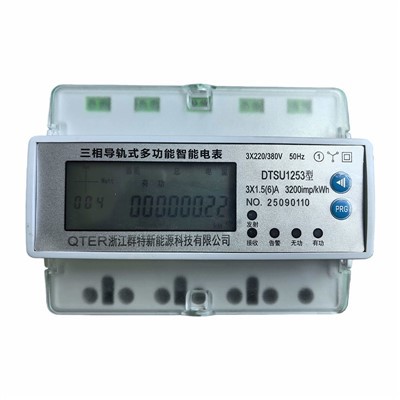
The choice of communication protocol depends on several factors, and each protocol has its own set of advantages and challenges. As a prepaid energy meter supplier, we play a crucial role in ensuring that our meters are equipped with the right communication technology and that our customers are well – informed about the options available.
Electronic Energy Meter If you are interested in purchasing high – quality prepaid energy meters with reliable communication protocols, we would love to engage in a purchase negotiation. Our team of experts is ready to assist you in selecting the most suitable meters and communication solutions for your specific needs. Contact us to start the discussion and take the first step towards a more efficient energy management system.
References
- International Electrotechnical Commission (IEC) standards on energy metering communication protocols
- IEEE publications on communication technologies for smart grids
- Industry reports on the adoption of communication protocols in prepaid energy meters
Zhejiang Qunte New Energy Technology Co., Ltd.
As one of the most professional prepaid energy meter manufacturers in China, we’re featured by quality products and good price. Please rest assured to buy discount prepaid energy meter made in China here from our factory. We also accept customized orders.
Address: No. 56, Fengxi Road, Tang’ao Yu Village, Liushi Town, Yueqing City, Wenzhou City, Zhejiang Province
E-mail: 251951196@qq.com
WebSite: https://www.zjqtmeter.com/
