When it comes to electronic components, header connectors play a pivotal role in establishing reliable electrical connections between printed circuit boards (PCBs) and various devices. As a trusted supplier of header connectors, I often encounter inquiries regarding the mechanical stability of these essential components. In this blog post, I will delve into the concept of mechanical stability in header connectors, explore the factors that influence it, and highlight its significance in ensuring the optimal performance of electronic systems. Header Connector
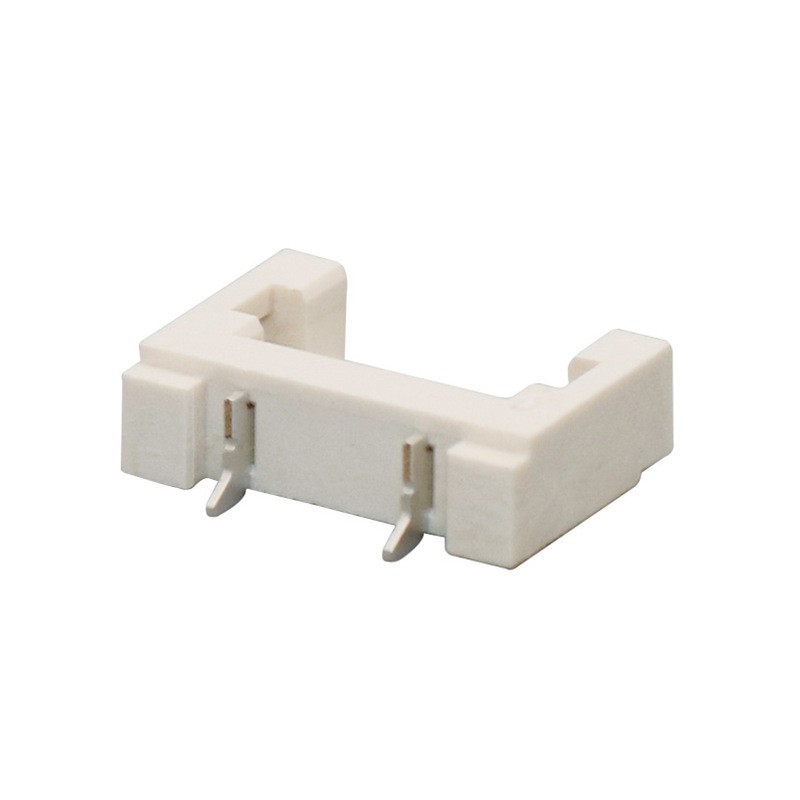
Understanding Mechanical Stability in Header Connectors
Mechanical stability refers to the ability of a header connector to maintain its physical integrity and electrical performance under various mechanical stresses, such as vibration, shock, and thermal expansion. A mechanically stable header connector ensures a secure and reliable connection between the PCB and the mating connector, minimizing the risk of signal interruption, short circuits, or component failure.
Factors Influencing Mechanical Stability
Several factors contribute to the mechanical stability of header connectors. Understanding these factors is crucial for selecting the right connector for your application and ensuring its long-term reliability.
Material Selection
The choice of materials used in the construction of header connectors significantly impacts their mechanical stability. High-quality materials with excellent mechanical properties, such as durability, flexibility, and resistance to corrosion, are essential for ensuring the longevity and reliability of the connector.
Common materials used in header connectors include:
- Plastic: Plastic is a popular choice for the housing of header connectors due to its low cost, lightweight, and excellent insulation properties. However, the mechanical strength of plastic can vary depending on the type of plastic used and the manufacturing process.
- Metal: Metal is often used for the contacts and pins of header connectors due to its high conductivity and mechanical strength. Metals such as brass, phosphor bronze, and nickel silver are commonly used for their excellent electrical and mechanical properties.
- Composite Materials: Composite materials, such as liquid crystal polymers (LCP) and polyether ether ketone (PEEK), are increasingly being used in header connectors due to their high strength, thermal stability, and chemical resistance.
Design and Manufacturing
The design and manufacturing process of header connectors also play a crucial role in their mechanical stability. A well-designed connector should have a robust housing that provides adequate support and protection for the contacts and pins. The contacts and pins should be precisely machined and plated to ensure a reliable electrical connection and resistance to corrosion.
In addition, the manufacturing process should ensure tight tolerances and consistent quality to minimize the risk of mechanical defects or variations in the connector. Quality control measures, such as inspection and testing, should be implemented at every stage of the manufacturing process to ensure the reliability and performance of the connector.
Mounting and Assembly
The way header connectors are mounted and assembled on the PCB can also affect their mechanical stability. Proper mounting techniques, such as soldering or press-fitting, should be used to ensure a secure and reliable connection between the connector and the PCB. The mounting holes on the PCB should be properly sized and located to ensure a proper fit and alignment of the connector.
In addition, the assembly process should be carefully planned and executed to minimize the risk of damage to the connector or the PCB. Adequate support and protection should be provided during the assembly process to prevent the connector from being subjected to excessive stress or vibration.
Environmental Factors
Environmental factors, such as temperature, humidity, and vibration, can also have a significant impact on the mechanical stability of header connectors. High temperatures can cause the materials used in the connector to expand, which can lead to stress and deformation of the contacts and pins. Humidity can cause corrosion and oxidation of the contacts, which can degrade the electrical performance of the connector. Vibration can cause the connector to loosen or become misaligned, which can lead to signal interruption or component failure.
To ensure the mechanical stability of header connectors in harsh environments, it is important to select connectors that are designed and tested to withstand the specific environmental conditions. For example, connectors that are rated for high temperatures or humidity can be used in applications where these conditions are present. In addition, proper shielding and grounding techniques can be used to minimize the effects of electromagnetic interference (EMI) and radio frequency interference (RFI).
Significance of Mechanical Stability in Header Connectors
The mechanical stability of header connectors is essential for ensuring the reliable operation of electronic systems. A mechanically stable connector ensures a secure and reliable connection between the PCB and the mating connector, minimizing the risk of signal interruption, short circuits, or component failure.
In addition, mechanical stability is crucial for ensuring the long-term durability and reliability of electronic systems. A connector that is prone to mechanical failure can cause costly downtime and repairs, as well as potentially compromise the safety and performance of the system.
Applications of Header Connectors
Header connectors are used in a wide range of applications, including consumer electronics, automotive, industrial, and telecommunications. In each of these applications, the mechanical stability of the header connector is crucial for ensuring the reliable operation of the system.
Consumer Electronics
In consumer electronics, such as smartphones, tablets, and laptops, header connectors are used to connect various components, such as the battery, display, and camera, to the PCB. The mechanical stability of these connectors is essential for ensuring the reliable operation of the device and preventing damage to the components.
Automotive
In the automotive industry, header connectors are used in a variety of applications, including engine control units, sensors, and infotainment systems. The mechanical stability of these connectors is crucial for ensuring the reliable operation of the vehicle and preventing electrical failures that can lead to safety hazards.
Industrial
In industrial applications, such as automation and control systems, header connectors are used to connect various devices, such as sensors, actuators, and controllers, to the PCB. The mechanical stability of these connectors is essential for ensuring the reliable operation of the system and preventing downtime and production losses.
Telecommunications
In the telecommunications industry, header connectors are used in a variety of applications, including routers, switches, and servers. The mechanical stability of these connectors is crucial for ensuring the reliable operation of the network and preventing signal degradation and downtime.
Conclusion
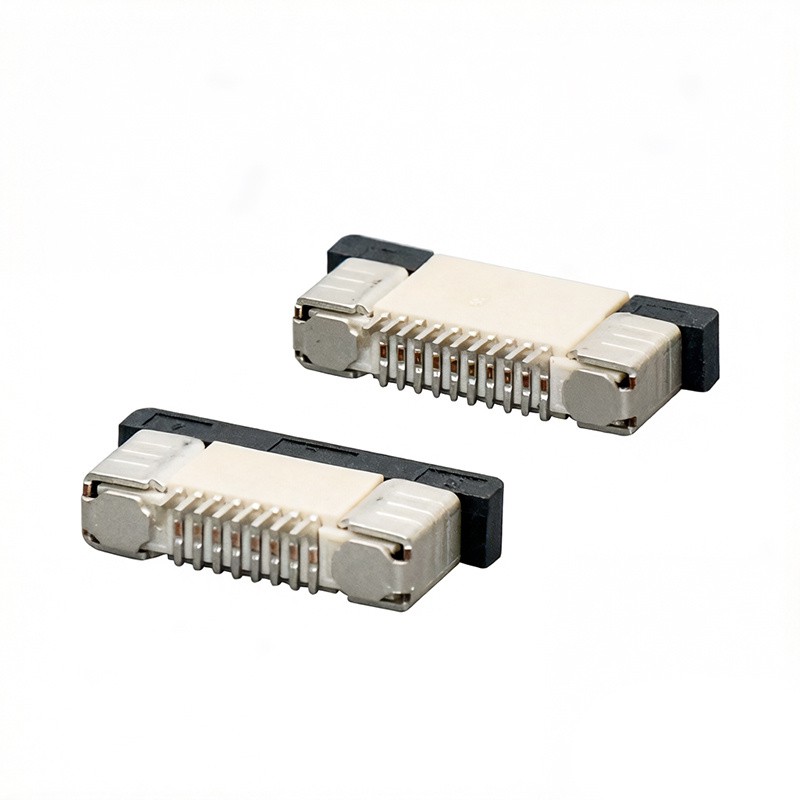
As a supplier of header connectors, I understand the importance of mechanical stability in ensuring the reliable operation of electronic systems. By selecting high-quality materials, using proper design and manufacturing techniques, and implementing appropriate mounting and assembly methods, we can ensure that our header connectors provide the mechanical stability and reliability that our customers require.
FPC Connector If you are in need of header connectors for your application, I invite you to contact us to discuss your requirements. Our team of experts can provide you with the information and support you need to select the right connector for your application and ensure its long-term reliability.
References
- IPC-A-610: Acceptability of Electronic Assemblies
- MIL-STD-202G: Test Methods for Electronic and Electrical Component Parts
- ISO 9001: Quality Management Systems – Requirements
Wenzhou JKUN Connector Co., Ltd.
As one of the most professional header connector manufacturers and suppliers in China, we’re featured by quality products and low price. Please rest assured to wholesale bulk customized header connector from our factory. For quotation and free sample, contact us now.
Address: No.2667, Ningkang East Road, Yueqing City, Zhejiang Province, China
E-mail: sales@cnjkun.com
WebSite: https://www.jkunjcj.com/
