Air permeability is a crucial characteristic when it comes to decorative mesh, especially in various architectural and design applications. As a professional decorative mesh supplier, I have witnessed firsthand the importance of understanding the air permeability of decorative mesh. This blog aims to delve into what air permeability of decorative mesh means, why it matters, and how it impacts different projects. Decorative Mesh

Understanding Air Permeability of Decorative Mesh
Air permeability refers to the ability of a material to allow air to pass through it. In the context of decorative mesh, it measures the rate at which air can flow through the mesh structure. This characteristic is influenced by several factors, including the mesh’s aperture size, wire diameter, and overall pattern.
The aperture size, which is the open space between the wires in the mesh, plays a significant role in determining air permeability. Larger apertures generally allow for greater air passage, resulting in higher air permeability. For example, a decorative mesh with a large diamond-shaped aperture will typically have better air flow compared to a mesh with a smaller, more intricate pattern.
Wire diameter also affects air permeability. Thinner wires mean less obstruction to air flow, leading to increased permeability. However, wire diameter cannot be too thin as it may compromise the strength and durability of the decorative mesh.
The overall pattern of the mesh is another important factor. Some patterns, like a simple linear or grid pattern, provide a more straightforward path for air to flow through compared to complex, curved patterns. Patterns that create more obstacles or dead – ends for air can reduce the overall air permeability of the mesh.
Importance of Air Permeability in Different Applications
Architectural Ventilation
In architectural applications, decorative mesh is often used for both aesthetic and functional purposes. When it comes to ventilation, air permeability is of utmost importance. For instance, in a commercial building, decorative mesh can be installed on facades to act as a ventilation screen. A highly air – permeable mesh ensures proper air exchange between the interior and the exterior of the building. This helps in maintaining a comfortable indoor environment by removing stale air and bringing in fresh air. It can also contribute to energy efficiency by reducing the reliance on mechanical ventilation systems.
Greenhouse and Agricultural Use
In greenhouse settings, decorative mesh with appropriate air permeability is essential. Greenhouses require a controlled environment with proper air circulation to regulate temperature, humidity, and carbon dioxide levels. A well – chosen ventilated decorative mesh can act as a protective barrier while allowing air to enter and exit the greenhouse efficiently. This promotes healthy plant growth by preventing the build – up of excessive moisture and heat, which can lead to plant diseases.
Industrial Settings
In industrial facilities, air permeability in decorative mesh can be critical for safety and operational reasons. For example, in chemical plants or manufacturing units where there may be the release of fumes or gases, a mesh with high air permeability can be used as a safety screen to allow the dispersion of these substances. It can also be used in ventilation systems to ensure proper air flow and prevent the accumulation of hazardous substances.
Measuring Air Permeability of Decorative Mesh
There are several standard methods for measuring the air permeability of decorative mesh. One common approach is the use of air permeability testers. These devices work by creating a pressure difference across the mesh sample and measuring the volume of air that passes through it within a specific time frame. The results are usually expressed in terms of air flow rate per unit area, such as cubic meters per square meter per second.
Another method involves using computational fluid dynamics (CFD) simulations. This approach allows for the prediction of air flow patterns through the mesh in a virtual environment. CFD simulations take into account factors such as the mesh geometry, air properties, and boundary conditions to provide a detailed analysis of air permeability. While more complex and time – consuming, CFD simulations can offer valuable insights into the behavior of air flow through decorative mesh, especially for complex patterns.
Selecting the Right Air – Permeable Decorative Mesh for Your Project
When selecting a decorative mesh based on its air permeability, it is essential to consider the specific requirements of your project. Here are some key points to keep in mind:
Project Goals
Determine the primary goal of using the decorative mesh. If it is for ventilation in a building, you will need a mesh with high air permeability. On the other hand, if the main purpose is for privacy or aesthetic enhancement, you may be able to choose a mesh with lower air permeability while still achieving the desired look.
Environmental Conditions
Consider the environmental conditions of the installation site. In areas with high wind speeds, a mesh with appropriate air permeability can prevent excessive wind pressure from damaging the mesh or the structure it is attached to. In humid environments, a well – ventilated mesh can help prevent the growth of mold and mildew.
Aesthetic Preferences
While air permeability is important, the aesthetic aspect of the decorative mesh should not be overlooked. There are a wide variety of mesh patterns, colors, and finishes available in the market. You can choose a mesh that not only meets your air permeability requirements but also complements the overall design of the project.
Our Role as a Decorative Mesh Supplier
As a supplier of decorative mesh, we understand the importance of air permeability in different applications. We offer a wide range of decorative meshes with varying levels of air permeability to meet the diverse needs of our customers. Our team of experts can assist you in selecting the right mesh for your project, taking into account factors such as air permeability, durability, and aesthetics.
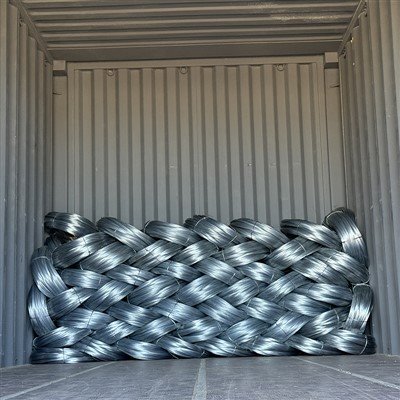
We source our materials from high – quality manufacturers and ensure that our decorative meshes undergo strict quality control measures. Whether you are an architect, a designer, or a contractor working on a large – scale commercial project or a DIY enthusiast working on a small – scale home improvement project, we are committed to providing you with the best decorative mesh solutions.
Stainless Steel Mesh In conclusion, air permeability is a vital characteristic of decorative mesh that can significantly impact its performance and suitability for different projects. By understanding the factors that affect air permeability, measuring methods, and selection criteria, you can make an informed decision when choosing a decorative mesh. If you are interested in learning more about our decorative mesh products or have a project in mind, we invite you to reach out to us for a detailed discussion and potential procurement. We are eager to work with you to find the perfect decorative mesh solution that meets your air permeability and design needs.
References
- ASTM D737 – 18, Standard Test Method for Air Permeability of Textile Fabrics.
- EN 12152:2000, Textiles – Determination of air permeability.
- Incropera, F. P., & DeWitt, D. P. (2002). Fundamentals of Heat and Mass Transfer. Wiley.
Anping Jiuchang Metal Wire Mesh Co., Ltd.
As one of the most professional decorative mesh manufacturers and suppliers in China, we’re featured by quality products and good price. Please rest assured to wholesale premium decorative mesh for sale here from our factory. We also accept customized orders.
Address: Anping County, Hengshui City, Hebei Province
E-mail: jiuchangmetal@163.com
WebSite: https://www.jiuchangmetal.com/
