Hey everyone, it’s Jake here, and for anyone who doesn’t know me, I’ve been selling air circuit breakers (ACBs) for almost 10 years now. Yeah, that’s a lot of late nights troubleshooting power outages and fielding calls from customers who thought their ACB was “broken” just because it needed a little TLC. The truth is, most ACB issues don’t happen out of nowhere—they creep in over time because people skip maintenance. And trust me, I’ve seen what happens when you ignore this stuff: a small problem that should’ve cost $50 to fix turns into a full factory shutdown, costing thousands (or even millions) in lost production. Today I’m breaking down exactly how to maintain your ACB like a pro, no fancy engineering degree required. Air Circuit Breakers
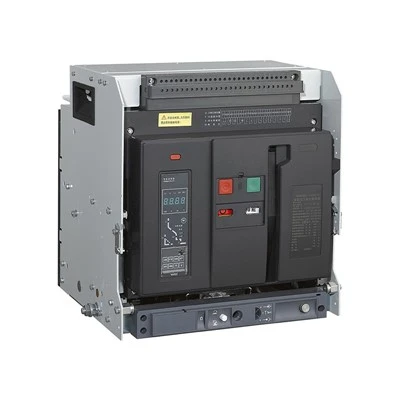
First off, let’s get one thing straight: air circuit breakers aren’t like the tiny breakers in your home’s electrical panel. These bad boys are heavy-duty workhorses built for commercial, industrial, and utility settings—they handle huge amounts of electrical current, so they take a beating every single day. That’s why maintenance isn’t optional; it’s non-negotiable. I’ve seen food processing plants, warehouses, and even data centers go down because their ACBs corroded or their contacts wore out, all because someone waited until it was too late.
Let’s start with the most basic, and most often skipped step: regular visual inspections. I’m not talking about a 2-minute glance once a month—this is a real, hands-on check that you should do at least every 6 months, or more often if your ACB is in a dirty, humid, or dusty environment (like a sawmill, a port, or a facility with poor ventilation). What are you looking for? Let’s break it down. First, the cabinet: is it closed and secured? A lot of people leave ACB cabinets open for easy access, but that’s a huge no-no. Dust, moisture, and even small animals can get in and cause all sorts of shorts. Next, check for physical damage: dents, cracks, or rust on the frame or wiring. Rust is your enemy—if you spot any, you need to address it right away before it spreads to internal parts.
Then there’s the contact area. The contacts are the parts that actually carry current when the breaker is on, and when it opens, they separate to stop the flow. Over time, these contacts get worn, or build up with oxidation and debris. If you see black, pitted spots on the contacts, or if they’re more than 10% worn down, that’s a problem. I always tell customers to get a contact cleaning kit specifically made for ACBs—don’t use steel wool or regular sandpaper, that can scratch the contacts and make wear worse. And while you’re at it, check the busbars (the thick metal bars that connect the breaker to the rest of the system). Are they tight? Loose busbars cause overheating, which is a fire hazard. Use a torque wrench to tighten them to the manufacturer’s specs—don’t guess, that’s how mistakes happen.
Next up, we’re talking about cleaning. This isn’t just a one-time job, it’s part of every maintenance routine. And I can’t stress this enough: never clean an ACB that’s still powered on. Wait until the system is locked out and tagged out (you know, that safety procedure where you put a lock on the power switch so no one accidentally turns it on) before you do anything. For the exterior, use a soft, lint-free cloth and a mild electrical cleaner—avoid harsh chemicals like bleach or ammonia, they can eat away at the plastic and rubber parts. For the interior, compressed air is your best friend. Use dry, oil-free compressed air (oil in the air line will leave residue that attracts more dirt) at around 30-40 PSI to blow out dust and debris. Don’t hold the nozzle too close to delicate parts, though—you don’t want to bend anything or damage small components.
One part that a lot of people forget about is the operating mechanism. That’s the spring, levers, and gears that make the breaker turn on and off. If this is gunked up with dirt or old grease, the breaker won’t trip when it’s supposed to, which is a disaster. Every year, you should take a look at this mechanism. First, blow out any debris with compressed air, then apply a thin layer of lubricant specifically designed for electrical mechanisms—don’t use regular grease, it can attract dust and cause more problems. And don’t over-lubricate, either—too much grease will just end up getting everywhere and making a mess.
Now, testing. This is where most customers cut corners, and it’s the most important step to make sure your ACB works when you need it. I recommend doing two types of tests: functional tests and electrical tests. Functional tests are simple: every 3 months, manually trip the breaker (you can do this with the test button on the breaker itself, no need to turn off the whole system if the test is designed to work live) a few times. That makes sure the trip mechanism isn’t stuck, and the breaker moves freely. If it feels stiff or doesn’t trip all the way, that’s a sign something’s wrong.
Then there’s the electrical testing, which you should do once a year, or after any major electrical work or a power outage. First, the insulation resistance test: this checks that the internal parts of the breaker aren’t leaking current. You’ll use a megohmmeter for this, and compare the results to the manufacturer’s guidelines. If the resistance is lower than it should be, that means there’s moisture or contamination inside, and you need to take it apart to clean it. Next, the contact resistance test: this makes sure the contacts aren’t worn or loose, which would cause overheating. Again, compare the readings to the specs—if it’s too high, that’s a sign it’s time to replace the contacts.
And don’t forget the trip unit test. The trip unit is the brain of the ACB—it’s what detects overloads and short circuits and tells the breaker to trip. If this is calibrated wrong, it might not trip when it needs to, or it might trip for no reason, wasting time and money. Every year, you should test the trip unit with a test set that simulates overloads and short circuits. Make sure the trip times are within the manufacturer’s range—if they’re too fast or too slow, you might need to adjust or replace the trip unit.
Wait, what about if you have a drawout ACB? That’s the type that can be pulled out of the cabinet for maintenance, right? Those are super common in medium-voltage applications, and they have a few extra things to check. First, when you pull the breaker out, inspect the drawout rails for wear or damage—if they’re bent, the breaker won’t seat properly, which can cause poor connections. Also, check the connector pins that plug into the busbars—these need to be clean and tight, same as the busbars themselves. And when you put the breaker back in, make sure it locks into place fully; if it’s not seated right, you’ll get loose connections and overheating.
Now, let’s talk about common mistakes I see all the time. First, waiting way too long between maintenance checks. I once had a customer who had an ACB that was supposed to be inspected every year, but he skipped it for 5 years. When we finally opened it up, there was so much rust inside that the contacts were fused together—luckily we caught it before it caused an outage, but we had to replace the whole breaker, which cost him way more than if he’d done regular maintenance. Second, using the wrong parts or cleaners. I can’t tell you how many times someone has bought generic contact cleaner from the hardware store, only to have it damage the plastic parts of the breaker. Always use manufacturer-recommended supplies, or if you’re not sure, ask your supplier (that’s me, by the way— I’m always happy to help). Third, skipping the lockout/tagout procedure. This is a safety thing, obviously, but I’ve seen too many people get hurt because they thought the power was off and it wasn’t. Never work on an ACB without locking it out.
And here’s a pro tip: keep a maintenance log for every ACB you have. Write down every inspection, cleaning, test, and repair you do, along with the dates and parts used. That way, you can track when parts are wearing out, schedule replacements before they fail, and have a record if something goes wrong. It’s way easier than trying to remember what you did 2 years ago.
Now, what if you find a problem during maintenance? Don’t panic. Small issues, like dirty contacts or loose busbars, are easy fixes. But if you notice major wear, like cracked frames or a trip unit that’s out of calibration, don’t try to fix it yourself if you’re not comfortable. ACBs are high-voltage equipment, and messing them up can be dangerous. That’s what suppliers like me are for—we can send a technician to come check it out, or help you source the right parts if you need to replace something.
Let’s wrap this up. Maintaining an air circuit breaker isn’t hard, but it does take consistency. The key is to be proactive, not reactive. Spend a little time and money on regular checks and cleaning, and you’ll avoid costly shutdowns, safety hazards, and expensive replacements down the line. I’ve seen it work time and time again—customers who stick to a maintenance schedule have ACBs that last 20, even 30 years, while those who skip it need to replace theirs every 5 or 10.
If you’re not sure how to do any of these steps, or you need help setting up a maintenance schedule for your ACBs, hit me up for a chat. I’ve worked with all kinds of facilities, from small warehouses to big industrial plants, and I can help you figure out exactly what you need. Don’t wait until your breaker fails—take care of it now, and it’ll take care of you later.
Air Circuit Breakers REFERENCES
- National Electrical Manufacturers Association (NEMA) Standards for Low-Voltage AC Circuit Breakers, 2021.
- Occupational Safety and Health Administration (OSHA) Electrical Safety-Related Work Practices, 2022.
- IEC 60947-2: Low-voltage switchgear and controlgear – Part 2: Circuit-breakers, 2020.
- IEEE Std 242-2019: Recommended Practice for Protection and Coordination of Industrial and Commercial Power Systems.
Wenzhou Lanen Electrical Co., Ltd.
Wenzhou Lanen Electrical Co., Ltd. is one of the most professional air circuit breakers manufacturers and suppliers in China, also supports customized service with low price. Please feel free to buy CE approved air circuit breakers made in China here from our factory. Contact us for more discount information.
Address: Zhiguang Liushi Town Yueqing City Wenzhou City Zhejiang Province
E-mail: lanen@luyele.cn
WebSite: https://www.lanenelectrical.com/
