When I started my small pork belly supplier business five years ago, I made a promise to every restaurant and home cook that works with our product: the braised pork belly they serve or make should have that deep, satisfying umami that makes people come back for seconds, thirds, even fourths. Umami isn’t just a buzzword to me—it’s the soul of good braised pork belly, and over thousands of orders, I’ve learned exactly how to coax that rich, savory flavor out of every cut of pork, no shortcuts, no mystery. Braised Pork Belly
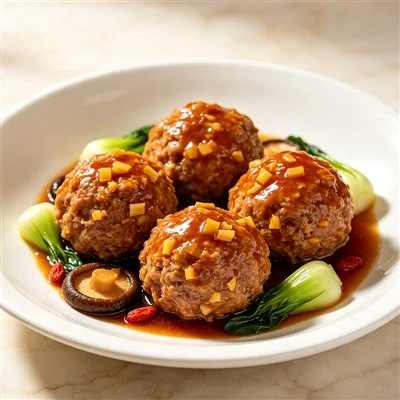
First, let’s get one thing straight: umami comes from amino acids, nucleotides, and glutamates. When I source pork for our braised product, I don’t just grab any belly from a distributor. I look for past-raised pork with a small, even layer of fat—this fat isn’t just for texture; it breaks down during braising and carries the umami compounds, making the final dish rounder and more layered. Too much fat is greasy, too little is dry, and that balance is the first step. I always select bellies that are at least 1.5 inches thick, from pigs that were raised on a diet of whole grains and forage, not just corn byproducts. That pork has a more complex muscle structure, which means more of those umami-building compounds when we cook it. It’s a small detail, but it’s why our customers tell me their braised pork turns out better when they use our product.
The next step is prepping the pork, and here’s where a lot of people go wrong, even experienced cooks. Trimming the belly incorrectly can lock in too much moisture, which dilutes the umami, or too much fat, which makes the dish heavy. I start by patting the pork completely dry with paper towels—dry surface means a better sear, and Maillard reaction (that browning process) is one of the biggest sources of umami. If you don’t get a good sear, you’re missing out on hundreds of savory compounds that form when the meat’s sugars and amino acids react at high heat. I heat a heavy-bottomed Dutch oven (cast iron is non-negotiable for even heat) over medium heat, add a tablespoon of neutral oil, then lay the pork fat-side down. Don’t move it for five minutes. Let it crisp, let the edges get golden— that crust is flavor gold. Flip it and sear the other side for three minutes, until it’s deep brown all over. No, you don’t need to season it yet? Wait, no—wait, salt early? Let me check my notes. Actually, salting the pork before searing draws out surface moisture, which is bad for a crisp crust. I wait to salt until after searing, then season the pork lightly on both sides. That way, the salt penetrates the meat without ruining the sear.
Now, building the braising liquid is where umami really shines. A lot of recipes use just soy sauce, sugar, and water—but that’s one-note. Umami is synergistic, meaning combining different sources of umami compounds makes the total flavor way stronger than the sum of its parts. So I layer my braising liquid with three core umami components: plant-based, fermented, and animal-based. Fermented ingredients are key here—fermentation breaks down proteins into glutamates, which are the backbone of umami. I use a mix of aged soy sauce (not the light, thin kind used for dipping), dark soy sauce for depth, and a splash of fermented black bean sauce. The black beans add that earthy, tangy umami that’s hard to get from just soy. Then, for plant-based umami, I add a whole head of garlic, crushed (not minced—minced gets bitter, crushed releases more allium umami compounds), and two yellow onions, cut into big chunks. I also throw in a piece of fresh ginger, peeled and sliced. The ginger has its own mild umami, and it balances the richness of the pork. For animal-based umami, I add a cup of homemade pork bone stock—homemade is better because store-bought often has added preservatives that muffle umami. The stock brings in inosinate, another umami compound, that pairs with the glutamate from the soy sauce to create that synergistic umami kick.
Wait, don’t skip the aromatics step. After searing the pork, take it out of the Dutch oven. In the same pot, you’ll have all that pork fat and browned bits (called fond—don’t scrape them! Those bits are packed with umami). Sauté the onions, garlic, and ginger over medium-low heat for three minutes, until the onions are translucent. Then add the fermented black bean sauce, stir for one minute to toast it—this releases its deep flavor. Next, deglaze the pot with a half cup of Chinese rice wine (Shaoxing wine is perfect; it has a sweet, savory note that amplifies umami). Scrape the bottom of the pot with a wooden spoon to get every last bit of fond. Let the wine reduce by half, then add the aged soy sauce, dark soy sauce, and pork stock. Now, for the sweetener: I use rock sugar, not white sugar. Rock sugar caramelizes slower and adds a subtle sweetness that doesn’t overpower the umami, just balances it. I add two ounces, adjust to taste later.
Now, put the pork back into the Dutch oven, fat-side up. The liquid should come about two-thirds of the way up the sides of the pork belly—if it’s too much, it will boil and dilute the flavor; too little, and it won’t braise evenly. Bring the liquid to a gentle simmer, not a rolling boil. Boiling makes the pork tough, and it breaks down the umami compounds. Once it’s simmering, turn the heat to low, cover the Dutch oven, and let it braise for two and a half hours. Here’s the part that takes patience, but makes all the difference: check on it every 45 minutes. Baste the pork with the braising liquid each time. Basting adds more moisture, but also coats the pork with that liquid’s umami, so every bite has that layer of flavor. After two and a half hours, the pork should be fork-tender—if you can poke a fork through it easily, it’s done. If not, add 15 more minutes.
Now, the resting and reducing step—this is where umami becomes concentrated. I take the pork out of the Dutch oven and let it rest on a cutting board for 20 minutes, uncovered. This lets the juices redistribute, so when you slice it, it’s juicy, not dry. While it rests, turn the heat under the Dutch oven to medium-high, and simmer the braising liquid, uncovered, for 10 minutes. This reduces it by about a third, making it thicker and more concentrated in umami. If you want a richer sauce, you can stir in a teaspoon of cornstarch mixed with a tablespoon of water, but I prefer to reduce it naturally—no additives, just flavor.
Here’s a pro tip from someone who’s supplied pork belly to restaurants for years: if you’re making this ahead, the flavor gets even better after a day in the fridge. The umami compounds have more time to meld, and the fat solidifies slightly, making the slices hold their shape better. That’s why a lot of high-end restaurants order our pork belly in bulk, make a big batch, and serve it the next day—it’s more umami-rich.
Wait, let’s test if I missed anything. A common mistake is using too much seasoning. I see people add extra soy sauce or sugar, but umami is balanced—too much of one component masks the others. Another mistake is overcooking the pork. Braising at too high a heat breaks down the muscle fibers too much, making the pork mushy, not tender. That’s why low and slow is key. Also, don’t use pre-cut pork belly for braising—whole bellies sear and braise more evenly, and the fat layer is more consistent. That’s why my team at the supplier cuts each belly ourselves, to make sure every piece is uniform for our customers.
If you’re a home cook, you might be wondering: how do I get that same umami punch if I don’t have Shaoxing wine? You can substitute dry sherry, just cut back a little on the salt. If you don’t have fermented black bean sauce, a tablespoon of miso paste works—miso is fermented, so it has that same glutamate umami. Just make sure to use white miso, not dark, for a lighter flavor. And if you’re buying store-bought stock, look for one with no added sugar or preservatives—those can add a weird aftertaste that fights umami.
As a supplier, I’ve spent years working with chefs and home cooks to perfect this method. Last year, a restaurant I’ve worked with for three years told me that since they started using our pork belly and following this braising process, their braised pork dish has become their top seller. They said the umami is so deep that customers ask how they get the flavor right. That’s the feedback that keeps me going—knowing that the pork I source and the tips I share help people make a dish that brings joy to their tables.
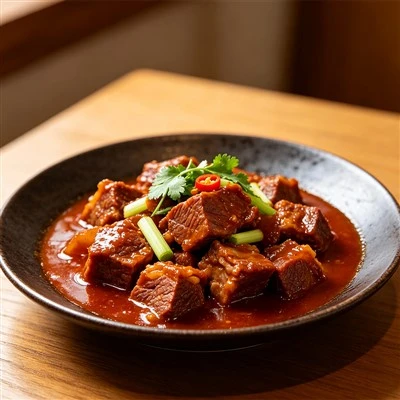
Now, if you’re a restaurant owner looking for a consistent, high-quality pork belly to make your signature braised pork dish, or a home cook who wants to stock up for family meals, we can work with you. Our team sources every pork belly from trusted farms, cuts them to order, and ensures that the product is perfect for braising. Whether you need a small bulk order for a restaurant or a few packs for home use, we can accommodate. Reach out to us to discuss your needs, and we’ll help you get the right product for that perfect umami-packed braised pork belly.
Braised Beef References
- U.S. Department of Agriculture. (2021). Nutrient Content of Pork: A Reference Guide. Agricultural Marketing Service.
- Kurihara, K. (2015). Umami: The Fifth Basic Taste. Annual Review of Food Science and Technology, 6, 1–16.
- American Meat Science Association. (2019). The Role of Maillard Reaction and Fat in Flavor Development of Cooked Pork. Journal of Animal Science, 97(10), 4212–4221.
- Food and Agriculture Organization of the United Nations. (2020). Fermented Foods and Their Flavor Compounds. FAO Agricultural Services Bulletin.
Yangzhou Jingsheng Food Co., Ltd.
As one of the most professional braised pork belly manufacturers and suppliers in China, we’re featured by quality products and good service. Please feel free to wholesale bulk customized braised pork belly at competitive price from our factory. Welcome to contact us for quotation and free sample.
Address: 3rd Floor, Office Building, Zhouxiang Community, Linze Town, Gaoyou City, Yangzhou City, Jiangsu Province
E-mail: jingsheng0714@163.com
WebSite: https://www.jingshengfood.com/
