Installing cold room panels on a curved wall is a unique challenge that requires careful planning, precision, and the right materials. As a cold room panel supplier, I’ve encountered numerous clients facing this exact issue. In this blog, I’ll share my insights and step-by-step guide on how to install cold room panels on a curved wall effectively. Cold Room Panel

Understanding the Basics of Cold Room Panels
Before diving into the installation process, it’s crucial to understand what cold room panels are and why they’re used. Cold room panels are prefabricated structures designed to maintain a controlled temperature environment. They’re commonly used in industries such as food storage, pharmaceuticals, and research facilities. These panels are typically made of two outer layers of metal or plastic, with an insulating core in between. The insulation helps to minimize heat transfer, ensuring that the cold room remains at the desired temperature.
Assessing the Curved Wall
The first step in installing cold room panels on a curved wall is to assess the wall’s curvature. This involves measuring the radius of the curve, the height of the wall, and the length of the area where the panels will be installed. Accurate measurements are essential to ensure that the panels fit properly and provide an airtight seal.
To measure the radius of the curve, you can use a flexible measuring tape or a string. Place the tape or string along the curve and measure the distance from the center of the curve to the wall. This measurement will help you determine the size and shape of the panels you’ll need.
Selecting the Right Panels
Once you have the measurements, it’s time to select the right cold room panels for the job. Not all panels are suitable for curved walls, so it’s important to choose panels that are flexible and can be bent to fit the curve. Some panels are specifically designed for curved applications and come with pre-cut edges to make installation easier.
When selecting panels, consider the following factors:
- Insulation R-value: The R-value measures the panel’s resistance to heat transfer. A higher R-value indicates better insulation, which is essential for maintaining a consistent temperature in the cold room.
- Panel thickness: Thicker panels generally provide better insulation, but they may also be heavier and more difficult to install. Choose a panel thickness that meets your insulation requirements and is suitable for the curvature of the wall.
- Material quality: The quality of the panel’s outer layers and insulation core can affect its durability and performance. Look for panels made from high-quality materials that are resistant to corrosion, moisture, and damage.
Preparing the Wall
Before installing the panels, you’ll need to prepare the wall surface. This involves cleaning the wall to remove any dirt, debris, or grease that could affect the panel’s adhesion. You may also need to apply a primer or adhesive to the wall to ensure a strong bond between the panels and the wall.
If the wall has any irregularities or bumps, you’ll need to smooth them out before installing the panels. This can be done using a sanding block or a putty knife. Make sure the wall is level and smooth to ensure a proper fit for the panels.
Installing the Panels
Once the wall is prepared, it’s time to start installing the panels. Here’s a step-by-step guide on how to install cold room panels on a curved wall:
- Mark the Panel Placement: Use a chalk line or a laser level to mark the placement of the panels on the wall. Start at the bottom of the wall and work your way up, making sure the panels are evenly spaced and aligned.
- Cut the Panels: If the panels need to be cut to fit the curve of the wall, use a panel saw or a circular saw with a fine-tooth blade. Make sure to wear safety goggles and gloves when cutting the panels.
- Apply Adhesive: Apply a thin layer of adhesive to the back of the panel using a trowel or a roller. Make sure to cover the entire surface of the panel evenly.
- Install the Panels: Carefully place the panel on the wall, aligning it with the marked placement. Press the panel firmly against the wall to ensure a strong bond. Use a level to make sure the panel is straight and level.
- Secure the Panels: Once the panel is in place, use screws or nails to secure it to the wall. Make sure to use the appropriate fasteners for the panel material and the wall type.
- Seal the Joints: After installing each panel, seal the joints between the panels using a silicone sealant. This will help to prevent air and moisture from leaking into the cold room.
- Repeat the Process: Continue installing the panels one by one, following the same steps for each panel. Make sure to leave a small gap between each panel to allow for expansion and contraction.
Finishing Touches
Once all the panels are installed, it’s time to add the finishing touches. This includes installing the door, the ceiling panels, and any other accessories that are required for the cold room. Make sure to follow the manufacturer’s instructions for installing these components.
After the installation is complete, it’s important to test the cold room to ensure that it’s functioning properly. Check the temperature inside the cold room using a thermometer and make sure it’s within the desired range. If there are any issues, such as air leaks or temperature fluctuations, address them immediately.
Conclusion
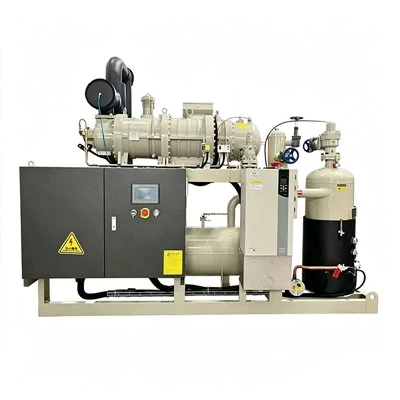
Semi-Hermetic Compressor Installing cold room panels on a curved wall is a challenging but rewarding task. By following the steps outlined in this blog, you can ensure a successful installation and a cold room that meets your needs. As a cold room panel supplier, I’m here to help you every step of the way. If you have any questions or need assistance with your cold room panel installation, please don’t hesitate to contact me. We can discuss your specific requirements and provide you with the best solutions for your project. Whether you’re looking for high-quality panels, expert advice, or installation services, we’re committed to delivering the best results. Let’s work together to create a cold room that meets your expectations and exceeds your requirements.
References
- ASHRAE Handbook of Refrigeration. American Society of Heating, Refrigerating and Air-Conditioning Engineers.
- Cold Storage Design and Construction Guide. Industry publication on cold room design.
- Manufacturer’s installation manuals for cold room panels.
Zhejiang Xuanyuntong Refrigeration Technology Co., Ltd.
Zhejiang Xuanyuntong Refrigeration Technology Co., Ltd. is one of the most experienced cold room panel manufacturers and suppliers in China. We warmly welcome you to wholesale high quality cold room panel made in China here from our factory. Also, custom service is available.
Address: South Side, No. 9 Zhongyuan, Pukou Sub-district, Shengzhou City, Shaoxing City, Zhejiang Province, China
E-mail: admin@xytrefrigeration.com
WebSite: https://www.xytrefrigeration.com/
