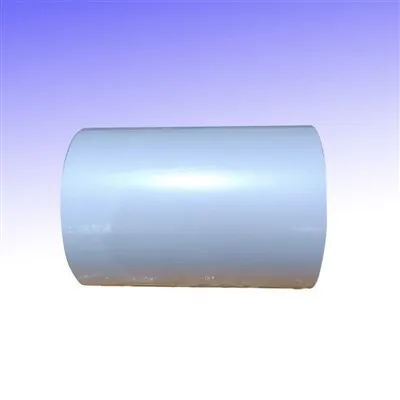
As a supplier of Holographic Thermal Laminating Film, I often encounter inquiries from customers regarding the various properties of our product. One question that frequently arises is whether holographic thermal laminating film has a good resistance to oil. In this blog post, I will delve into this topic and provide a comprehensive analysis based on scientific knowledge and practical experience. Holographic Thermal Laminating Film
Understanding Holographic Thermal Laminating Film
Before we discuss its oil – resistance, let’s briefly understand what holographic thermal laminating film is. Holographic thermal laminating film is a specialized type of film used for laminating various materials. It is characterized by its holographic effect, which can add an eye – catching and aesthetically pleasing appearance to the laminated items. The film is applied through a thermal process, where heat is used to bond the film to the substrate.
The film is typically made from a combination of polymers, which are carefully selected to provide specific properties such as flexibility, transparency, and durability. The holographic pattern is created through a complex manufacturing process that involves embossing or printing the holographic design onto the film.
Factors Affecting Oil Resistance of Holographic Thermal Laminating Film
Several factors contribute to the oil resistance of holographic thermal laminating film.
Polymer Composition
The type of polymers used in the film plays a crucial role in determining its oil resistance. Some polymers, such as polyethylene terephthalate (PET), are known for their relatively good chemical resistance. PET has a dense molecular structure that can act as a barrier to many types of oils. When the film is made with a high – quality PET base, it can provide a certain level of protection against oil penetration.
On the other hand, if the film contains polymers that are more prone to swelling or reacting with oils, its oil – resistance will be compromised. For example, some soft polymers may absorb oil, leading to changes in the film’s appearance and mechanical properties.
Surface Treatment
The surface treatment of the holographic thermal laminating film can also affect its oil resistance. A well – applied surface coating can create an additional barrier between the film and the oil. For instance, a hydrophobic coating can repel oil, preventing it from adhering to the surface of the film. This type of coating can be particularly effective in reducing the risk of oil stains and penetration.
Thickness of the Film
The thickness of the film is another important factor. Generally, a thicker film provides better resistance to oil. A thicker layer of polymer can act as a more substantial barrier, reducing the likelihood of oil molecules diffusing through the film. However, increasing the film thickness also has its drawbacks, such as higher cost and potentially reduced flexibility.
Testing the Oil Resistance of Holographic Thermal Laminating Film
To determine the oil resistance of our holographic thermal laminating film, we conduct a series of tests.
Immersion Test
In the immersion test, samples of the film are immersed in different types of oils, such as mineral oil, vegetable oil, and synthetic oil, for a specific period. We monitor the film for any signs of swelling, discoloration, or loss of adhesion to the substrate. If the film shows minimal changes after the immersion period, it indicates good oil resistance.
Oil Drop Test
The oil drop test involves placing a small drop of oil on the surface of the film and observing its behavior. We measure the time it takes for the oil to spread or penetrate the film. A film with good oil resistance will cause the oil drop to bead up on the surface and not spread or penetrate quickly.
Practical Applications and Oil Resistance Requirements
The oil resistance of holographic thermal laminating film is of great significance in various practical applications.
Food Packaging
In the food packaging industry, the film may come into contact with oily food products. Good oil resistance is essential to prevent the oil from seeping through the film and contaminating the packaging or affecting the product’s appearance. Our holographic thermal laminating film can be used to package snacks, fried foods, and other oily food items, providing both an attractive appearance and reliable oil protection.
Industrial Labels
In industrial settings, labels laminated with holographic thermal laminating film may be exposed to oil – based lubricants or solvents. The film’s oil resistance ensures that the labels remain intact and legible, even in harsh environments. This is crucial for maintaining product identification and safety information.
Advantages of Our Holographic Thermal Laminating Film in Terms of Oil Resistance
Our company takes pride in producing holographic thermal laminating film with excellent oil resistance. Through continuous research and development, we have optimized the polymer composition and surface treatment of our film to enhance its oil – resistant properties.
Our film has passed rigorous oil – resistance tests, demonstrating its ability to withstand exposure to various types of oils without significant degradation. This means that our customers can rely on our film to protect their products from oil damage, ensuring the long – term quality and appearance of the laminated items.
Conclusion
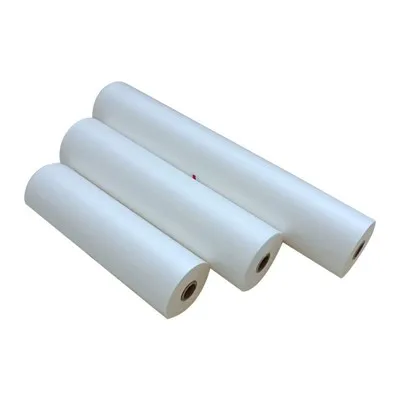
In conclusion, holographic thermal laminating film can have good resistance to oil, depending on its polymer composition, surface treatment, and thickness. Our company’s holographic thermal laminating film has been engineered to provide excellent oil resistance, making it suitable for a wide range of applications, from food packaging to industrial labels.
PET Thermal Lamination Film If you are interested in learning more about our holographic thermal laminating film or have specific requirements regarding its oil – resistance properties, please feel free to contact us for further discussion. We are always ready to provide you with the best solutions for your laminating needs.
References
- "Polymer Science and Technology" by Morton M. Coleman and Paul C. Fox
- "Packaging Technology and Engineering" by Wilmer A. Jenkins and James P. Harrington
Yantai Hongqing Packing Material Co., Ltd.
Yantai Hongqing Packing Material Co., Ltd. is one of the most professional holographic thermal laminating film manufacturers and suppliers in China, also supports customized service. Welcome to wholesale advanced holographic thermal laminating film made in China here and get quotation from our factory. Quality products and reasonable price are available.
Address: Eastern Industrial Park, Taocun, Yantai, Shandong Province, China
E-mail: cindy@ythongguang.cn
WebSite: https://www.hqingnewmat.com/
