Hey there, folks! I’m a supplier of power cables, and today I wanna chat about the difference between a power cable and a power strip surge protector. It might seem like a simple topic, but there’s actually quite a bit to unpack here. Power Cable

Let’s start with the power cable. You know, those long, flexible wires that carry electricity from the outlet to your devices. Power cables are like the unsung heroes of the electrical world. They come in all sorts of shapes and sizes, depending on what you’re using them for. For example, there are those thick, heavy-duty cables you use for big appliances like refrigerators or washing machines. Then there are the thinner, more flexible ones for things like laptops or small electronics.
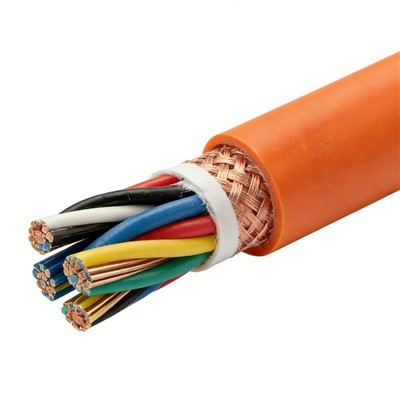
The main job of a power cable is pretty straightforward: it’s to transmit electrical power from one point to another. It’s made up of conductors, which are usually copper or aluminum, wrapped in an insulating material. The conductors carry the electrical current, while the insulation keeps the current from escaping and causing a short circuit or an electrical shock.
Now, let’s move on to the power strip surge protector. A power strip surge protector is kind of like a power cable on steroids. It not only provides multiple outlets for you to plug in your devices, but it also has built-in surge protection. Surges are sudden spikes in electrical voltage that can happen for all sorts of reasons, like a lightning strike or a power outage. These surges can be really bad news for your electronics, because they can fry your circuits and damage your devices.
A power strip surge protector is designed to protect your devices from these surges. It has a special component called a metal-oxide varistor (MOV) that kicks in when it detects a surge. The MOV diverts the excess voltage away from your devices and into the ground, where it can’t do any harm. This way, your devices stay safe and sound, even when there’s a power surge.
So, what’s the main difference between a power cable and a power strip surge protector? Well, the obvious difference is that a power cable is just a single cable that carries electricity, while a power strip surge protector is a device with multiple outlets and surge protection. But there’s more to it than that.
One big difference is in their functionality. A power cable is a passive device, which means it doesn’t do anything to alter the electrical current that’s flowing through it. It just carries the electricity from the outlet to your device. On the other hand, a power strip surge protector is an active device. It actively monitors the electrical current and takes action to protect your devices when it detects a surge.
Another difference is in their applications. Power cables are used in a wide variety of applications, from powering household appliances to running industrial equipment. They’re a fundamental part of our electrical infrastructure. Power strip surge protectors, on the other hand, are mainly used for protecting sensitive electronics. If you have a computer, a TV, or other electronic devices that you don’t want to get damaged by a power surge, then a power strip surge protector is a must-have.
Let’s talk about the safety aspect. Power cables are designed to be safe to use, but they don’t have any built-in protection against surges. If a power surge occurs, the electrical current can overload the cable and cause a fire or damage your devices. A power strip surge protector, on the other hand, is specifically designed to protect your devices from surges. It adds an extra layer of safety to your electrical setup.
Now, I know some of you might be thinking, "Do I really need a power strip surge protector? Can’t I just use a regular power strip?" Well, it depends on your situation. If you’re just using your devices in a stable electrical environment, and you’re not worried about power surges, then a regular power strip might be enough. But if you live in an area with frequent power outages, lightning storms, or other electrical disturbances, then a power strip surge protector is definitely worth the investment.
As a power cable supplier, I’ve seen firsthand the importance of using the right electrical components. I’ve had customers who’ve lost their expensive electronics because they didn’t have proper surge protection. That’s why I always recommend using a power strip surge protector for your sensitive devices. It’s a small price to pay for the peace of mind knowing that your devices are protected.
If you’re in the market for power cables or power strip surge protectors, I’d love to talk to you. We’ve got a wide range of high-quality power cables at competitive prices. And if you need advice on which power strip surge protector is right for you, I’m here to help. Just drop me a line, and we can start discussing your needs.
In conclusion, while power cables and power strip surge protectors both play important roles in our electrical systems, they have different functions and applications. Power cables are essential for transmitting electrical power, while power strip surge protectors are crucial for protecting your sensitive electronics from power surges. Whether you’re setting up a new home office, upgrading your entertainment system, or running a business, it’s important to choose the right electrical components for your needs.
Elevator Power Cable References
- "Electrical Wiring: A Practical Guide." McGraw-Hill Education.
- "Surge Protection Devices: Theory and Application." IEEE Press.
Cixi Davos Wire & Cable Co., Ltd.
As one of the most professional power cable manufacturers and suppliers in China, we also support customized service. Please feel free to buy bulk high quality power cable in stock here from our factory. For price consultation, contact us.
Address: No.3, Lane 91, Ruan Ding Road, Linxi Village, Xiaolin Town, Cixi City
E-mail: roy798@163.com
WebSite: https://www.cj-supplychain.com/
