Hey there! I’m a supplier of calf pens, and I often get asked about the environmental impacts of these things. So, I thought I’d sit down and share my thoughts on this topic. Calf Pens
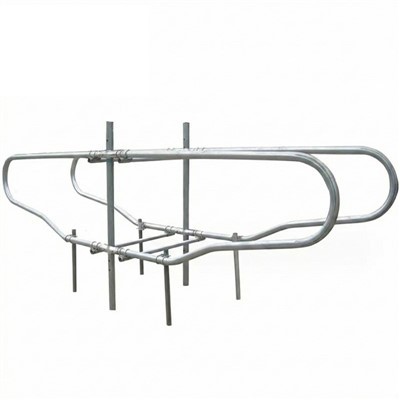
First off, let’s talk about what calf pens are. They’re basically small enclosures where young calves are kept. They provide a safe and comfortable space for the calves to grow and develop. But like anything else, they can have an impact on the environment.
One of the biggest environmental impacts of calf pens is the amount of waste they produce. Calves poop and pee a lot, and all that manure has to go somewhere. If it’s not managed properly, it can end up polluting the soil and water. Manure contains nutrients like nitrogen and phosphorus, which can be beneficial for plants if they’re applied in the right amounts. But if there’s too much, it can cause problems like algae blooms in lakes and rivers.
To deal with this issue, many calf pen suppliers, including me, recommend using manure management systems. These can include things like composting, anaerobic digesters, or simply spreading the manure on fields at the right time of year. Composting is a great option because it turns the manure into a valuable soil amendment. Anaerobic digesters are another cool technology that can turn manure into biogas, which can be used to generate electricity.
Another environmental concern with calf pens is the energy they use. Most calf pens need to be heated, especially in the winter, to keep the calves warm. This can require a significant amount of energy, usually in the form of electricity or propane. And if that energy comes from non-renewable sources, it can contribute to greenhouse gas emissions.
To reduce the energy consumption of calf pens, we’re starting to see more and more suppliers offering energy-efficient options. For example, some calf pens are now insulated with high-quality materials that help keep the heat in. There are also solar-powered heating systems available that can provide a more sustainable source of energy.
The materials used to build calf pens can also have an environmental impact. Many traditional calf pens are made from wood, which is a renewable resource. But the production of wood products can still have some negative environmental effects, such as deforestation and habitat loss. On the other hand, there are also calf pens made from recycled materials, like plastic or metal. These can be a more sustainable option, as they reduce the demand for new raw materials.
When it comes to the environmental impact of calf pens, it’s also important to consider the transportation involved. Calf pens are often heavy and bulky, which means they require a lot of fuel to transport. This can contribute to air pollution and greenhouse gas emissions. To minimize this impact, we try to work with local farmers as much as possible. By reducing the distance the calf pens have to travel, we can cut down on the amount of fuel used and the associated emissions.
Now, I know all this sounds like a lot of bad news, but there are also some positive environmental impacts of calf pens. For one, they can help improve the health and well-being of the calves. When calves are kept in clean, comfortable pens, they’re less likely to get sick. This means that farmers may use fewer antibiotics, which is better for the environment. Antibiotics can end up in the soil and water, and overuse can lead to the development of antibiotic-resistant bacteria.
Calf pens can also help with land management. By keeping the calves in a specific area, farmers can better control where the manure is deposited. This can prevent overgrazing in other areas and help maintain healthy pastures. Healthy pastures are important for soil health, water conservation, and wildlife habitat.
So, as you can see, the environmental impacts of calf pens are a complex issue. There are both positive and negative aspects, but with the right management and technology, we can minimize the negative impacts and make the most of the positive ones.
If you’re a farmer or someone interested in calf pens, I’d love to talk to you about how we can work together to make your operation more environmentally friendly. We have a wide range of calf pen options available, and we can help you choose the one that’s best for your needs and your budget. Whether you’re looking for an energy-efficient pen, a pen made from recycled materials, or a pen with a great manure management system, we’ve got you covered.
Don’t hesitate to reach out if you have any questions or if you’re ready to start a conversation about purchasing calf pens. We’re here to help you make the best decision for your farm and the environment.
Cattle Brushes References
- "Manure Management for Dairy Farms." University Extension Services.
- "Energy Efficiency in Livestock Housing." Agricultural Research Institute.
- "Sustainable Materials in Livestock Equipment." Journal of Sustainable Agriculture.
Hebei Honde Industrial Trade Imp & Exp Co., Ltd.
With abundant experience, we are one of the most professional calf pens manufacturers and suppliers in China. We warmly welcome you to wholesale high quality calf pens for sale here from our factory. We also accept customized orders.
Address: Room 1904, Yintai International Building, No.36 Guang’an Street, Shijiazhuang, Hebei, China
E-mail: Helen@hbhonde.com
WebSite: https://www.hondelivestocksupply.com/
