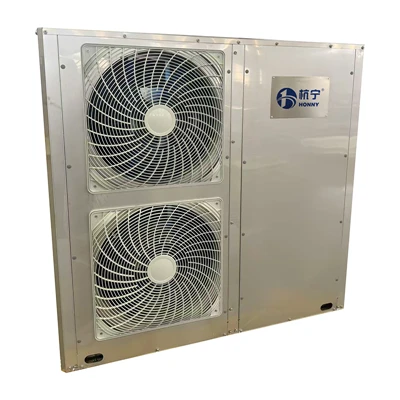
In the realm of health and wellness, the pursuit of optimal blood circulation is a topic that has garnered significant attention. Blood circulation plays a crucial role in maintaining the body’s overall health, as it is responsible for delivering oxygen and nutrients to cells, removing waste products, and regulating body temperature. One emerging tool in the quest to improve blood circulation is the ice bath machine. As a supplier of ice bath machines, I am often asked whether these devices can truly enhance blood circulation. In this blog post, I will delve into the science behind ice baths and their potential impact on blood flow. Ice Bath Machine
Understanding Blood Circulation
Before we explore the effects of ice bath machines on blood circulation, it’s essential to understand how the circulatory system works. The human circulatory system consists of the heart, blood vessels (arteries, veins, and capillaries), and blood. The heart pumps oxygenated blood through the arteries to the body’s tissues and organs. As the blood delivers oxygen and nutrients, it picks up carbon dioxide and other waste products. The deoxygenated blood then returns to the heart through the veins. The capillaries, which are tiny blood vessels, connect the arteries and veins and allow for the exchange of substances between the blood and the body’s cells.
Proper blood circulation is vital for maintaining healthy organs, muscles, and tissues. When blood flow is impaired, it can lead to a variety of health issues, including fatigue, poor skin health, muscle soreness, and even more serious conditions such as heart disease and stroke. Therefore, finding ways to improve blood circulation is of utmost importance for overall well – being.
The Science of Ice Baths and Blood Circulation
Ice baths, also known as cold water immersion (CWI), have been used for centuries for their therapeutic benefits. The basic principle behind ice baths is the body’s physiological response to cold temperatures. When the body is exposed to cold water, the blood vessels near the skin’s surface constrict, a process known as vasoconstriction. Vasoconstriction reduces blood flow to the skin, which helps to conserve heat and maintain the body’s core temperature.
During this initial phase of vasoconstriction, less blood is flowing near the surface of the skin, and the blood is redirected to the body’s core. This can be beneficial in reducing inflammation and swelling in the extremities, such as after an intense workout or an injury. When the body is removed from the cold water, a process of vasodilation occurs. Vasodilation is the widening of blood vessels, which allows for increased blood flow. The body tries to restore normal blood flow and temperature, and this rapid alternation between vasoconstriction and vasodilation is thought to have several positive effects on blood circulation.
One of the key benefits is the improvement of blood vessel elasticity. The repeated expansion and contraction of blood vessels during and after an ice bath can help to keep the blood vessels flexible and healthy. Flexible blood vessels are better able to regulate blood pressure and ensure efficient blood flow throughout the body.
In addition, the enhanced blood flow after an ice bath can also help with the removal of metabolic waste products. For example, lactic acid, which builds up in muscles during exercise and contributes to muscle fatigue and soreness, can be more effectively flushed out of the muscles when blood circulation is improved.
Evidence from Scientific Studies
Numerous scientific studies have investigated the effects of cold water immersion on blood circulation. A study published in the European Journal of Applied Physiology examined the impact of cold water immersion on blood flow in athletes. The researchers found that after a short – term cold water immersion, there was an increase in blood flow to the muscles, which was associated with a reduction in muscle soreness and an improvement in recovery time.
Another study in the Journal of Strength and Conditioning Research looked at the effects of cold water immersion on blood vessel function. The results showed that regular cold water immersion led to an improvement in endothelial function, which is crucial for maintaining healthy blood vessels and proper blood circulation. The endothelium is the inner lining of blood vessels, and its proper functioning is essential for regulating blood pressure and preventing the formation of blood clots.
However, it’s important to note that the effects of ice baths on blood circulation can vary depending on several factors, such as the duration and temperature of the immersion, the individual’s overall health, and their level of cold tolerance.
Benefits of Using an Ice Bath Machine for Blood Circulation
As a supplier of ice bath machines, I can attest to the convenience and effectiveness of these devices. An ice bath machine allows for precise control of the water temperature, ensuring that the cold therapy is both safe and effective. Unlike traditional ice baths, where ice needs to be added continuously to maintain the desired temperature, an ice bath machine can maintain a consistent cold temperature throughout the entire session.
Consistency in temperature is crucial because it allows the body to experience a more predictable physiological response. When the water temperature is well – regulated, the vasoconstriction and vasodilation processes occur in a more controlled manner, which can lead to more significant improvements in blood circulation over time.
Moreover, ice bath machines are often designed to be user – friendly and easy to clean. They can be used in the comfort of one’s home or at a professional fitness facility, making it more accessible for individuals to incorporate cold water therapy into their regular health and wellness routine. Regular use of an ice bath machine can lead to long – term improvements in blood circulation, which can have far – reaching benefits for overall health.
Application Scenarios
Ice bath machines are suitable for a wide range of people. Athletes can benefit greatly from using an ice bath machine after a strenuous workout or competition. The improved blood circulation can help with muscle recovery, reduce inflammation, and prevent injuries. For example, a professional runner may use an ice bath machine after a long – distance race to alleviate muscle soreness and speed up the recovery process.
Individuals with sedentary lifestyles can also use ice bath machines to enhance their blood circulation. Sitting at a desk for long periods can lead to poor blood flow in the legs and feet. Regular ice baths can help to stimulate blood flow and reduce the risk of conditions such as deep vein thrombosis (DVT), which is a blood clot that forms in a deep vein, usually in the legs.
People with certain health conditions, such as poor circulation due to diabetes or peripheral artery disease, may also find ice bath therapy beneficial. However, it’s important for these individuals to consult with their healthcare provider before starting any cold water therapy, as they may have specific health concerns that need to be taken into account.
How to Use an Ice Bath Machine for Optimal Blood Circulation
To reap the maximum benefits of an ice bath machine for blood circulation, it’s important to use it correctly. First, it’s recommended to start with a relatively short immersion time, usually around 5 – 10 minutes, and gradually increase the time as your body gets used to the cold. The water temperature should be set between 50 – 59°F (10 – 15°C), as this range has been shown to be effective in inducing the desired physiological responses without causing excessive discomfort or harm.
It’s also important to listen to your body during the ice bath. If you experience any pain, numbness, or other unusual sensations, you should immediately end the session. After the ice bath, it’s a good idea to warm up gradually. You can do this by wrapping yourself in a warm towel or taking a warm shower. This gradual transition helps the body to adjust to the change in temperature and further promotes healthy blood circulation.
Conclusion
In conclusion, the evidence suggests that ice bath machines can indeed improve blood circulation. The physiological response of the body to cold water immersion, including vasoconstriction and vasodilation, can enhance blood vessel elasticity, increase blood flow to the muscles, and aid in the removal of metabolic waste products. Scientific studies have provided support for these benefits, indicating that ice bath therapy can be an effective tool for promoting overall health.
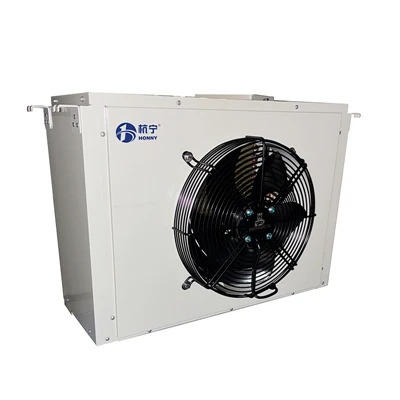
Ice Bath Machine As a supplier of ice bath machines, I am committed to providing high – quality products that can help individuals achieve their health and wellness goals. If you are interested in learning more about our ice bath machines or would like to discuss how they can improve your blood circulation, I encourage you to reach out to us. We are more than happy to answer your questions and assist you in making an informed decision about incorporating an ice bath machine into your routine.
References
- European Journal of Applied Physiology
- Journal of Strength and Conditioning Research
Hangzhou Honny Heat Energy Technology Co., Ltd.
We are one of the most experienced ice bath machine manufacturers and suppliers in China. With a professional production team, we are able to meet the needs of the majority of our customers. Please feel free to wholesale customized ice bath machine from our factory. Also, quotation is available.
Address: Dingshan Village, Wenyan Subdistrict, Xiaoshan District, Hangzhou City, Zhejiang Province
E-mail: 524435406@qq.com
WebSite: https://www.hnrnkj.com/
