Hey there! I’m a supplier of quartz slab sizes, and today I wanna chat about how the size of a quartz slab relates to its installation complexity. It’s a topic that comes up a lot in my line of work, and I think it’s super important for anyone considering using quartz slabs in their projects to understand. Quartz Slab Sizes
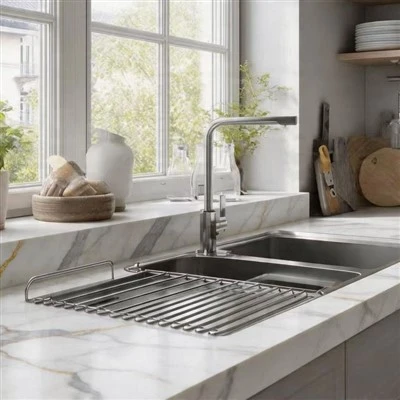
First off, let’s talk about the different sizes of quartz slabs that are out there. Quartz slabs typically come in a range of standard sizes, but they can also be custom – cut to fit specific needs. The most common sizes are around 120 inches by 60 inches (about 305 cm by 152 cm) and 132 inches by 63 inches (about 335 cm by 160 cm). These are big pieces, no doubt about it.
When it comes to smaller quartz slabs, the installation complexity is generally lower. Smaller slabs are lighter and easier to handle. For example, if you’re doing a small backsplash in your kitchen or a small vanity top in a bathroom, a smaller slab is the way to go. You don’t need a big crew of installers or heavy – duty equipment. You can usually move the slab around on your own or with just one other person.
The cutting process is also simpler for smaller slabs. You don’t have to worry as much about making long, straight cuts or dealing with large pieces that can be difficult to manage on a cutting table. And since the pieces are smaller, they’re less likely to crack or break during the cutting process. This means less waste and less hassle.
Another advantage of smaller slabs is that they’re more forgiving when it comes to fitting into tight spaces. If you have a corner or an irregularly shaped area, it’s easier to cut and fit a smaller slab than a large one. You can make adjustments on – site without too much trouble.
Now, let’s shift gears and talk about larger quartz slabs. Larger slabs offer a lot of benefits, like a seamless look. If you’re doing a large kitchen countertop, using a single large slab can give you that beautiful, continuous surface without any visible seams. It looks really high – end and professional.
But with those benefits come some challenges. One of the biggest issues with large slabs is the handling. These things are heavy! A large quartz slab can weigh several hundred pounds. You need a team of experienced installers and proper lifting equipment, like forklifts or hoists, to move them safely. This adds to the cost of installation and requires careful planning.
Transporting large slabs is also a headache. You need a big enough vehicle to carry them, and you have to make sure they’re properly secured to prevent damage during transit. Any little bump or jolt can cause a crack in the slab, which means you’re out of luck and have to start all over again.
The installation of large slabs requires a high level of precision. When you’re dealing with a big piece of quartz, even a small mistake in measurement or placement can be very noticeable. You have to be extremely careful when aligning the slab and making sure it’s level. If the slab isn’t installed correctly, it can lead to problems down the road, like cracking or chipping.
The cutting of large slabs is also more complicated. You need a large, sturdy cutting table and powerful cutting tools. Making long, straight cuts on a large slab is a skill that takes years to master. And if you make a mistake during the cutting process, you’re looking at a significant loss, both in terms of the cost of the slab and the time wasted.
Another factor to consider is the support. Large slabs need proper support to prevent sagging or cracking over time. You may need to install additional support structures, like steel brackets or plywood reinforcements, which adds another layer of complexity to the installation process.
In some cases, the size of the space where the slab will be installed can also affect the complexity. If you’re trying to install a large slab in a small room, it can be difficult to maneuver the slab into place. You may have to disassemble doors or remove parts of the wall to get the slab in, and then put everything back together again.
So, as you can see, the size of a quartz slab has a huge impact on its installation complexity. Smaller slabs are easier to handle, cut, and install, while larger slabs offer a more seamless look but come with a whole host of challenges.
If you’re in the market for quartz slabs, it’s important to think carefully about the size you need for your project. Consider the space, your budget, and your installation capabilities. If you’re unsure, don’t hesitate to reach out to me. As a quartz slab sizes supplier, I’ve got a lot of experience in this field, and I can help you choose the right size and guide you through the whole process.
I’ve seen all sorts of projects, from small DIY bathroom renovations to large – scale commercial kitchen installations. I can recommend the best size and type of quartz slab for your specific needs. Whether you need a small slab for a quick and easy project or a large, custom – cut slab for a high – end build, I’ve got you covered.
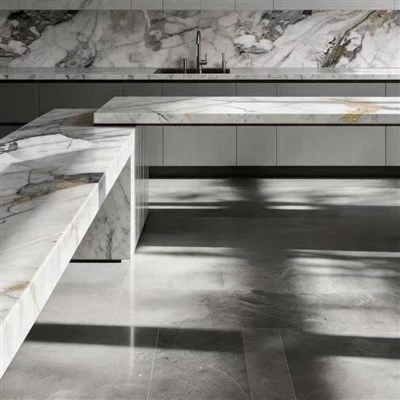
So, if you’re ready to start your project and want some expert advice on quartz slab sizes, just drop me a message. Let’s figure out the best solution together and make your project a success!
Quartz Countertop References
- Industry knowledge and experience from being a quartz slab sizes supplier
- Conversations and feedback from professional installers over the years
Wuhu Junde New Material Technology Co., Ltd.
As one of the most experienced quartz slab sizes manufacturers and suppliers in China since 1998, we warmly welcome you to wholesale top-quality quartz slab sizes made in China here from our factory. If you have any enquiry about cooperation, please feel free to email us.
Address: No.8 Yulin Road, Xinwu Economic Development Zone, Anhui Province, China
E-mail: 1127319898@qq.com
WebSite: https://www.jundequartz.com/
