Hey folks, let’s cut to the chase—if you’re working with industrial gases, bad storage isn’t just a “oops, bad practice” thing. It’s a safety risk, a money drain, and honestly? It can tank your whole operation before you even get started. I’ve been deep in the industrial gases supply game for over a decade now, working with warehouses, factories, construction sites, and everyone in between, and I’ve seen way too many close calls (and a few not-so-close ones) from folks skimping on storage basics. Today, I’m breaking down exactly how to store these gases right, no stuffy jargon, no textbook fluff—just the stuff I’ve learned on the job. Let’s dive in. Industrial Gases

First off, let’s not pretend all industrial gases are the same. We supply everything from oxygen and nitrogen for metal fabrication, to acetylene and propane for welding, to argon for food packaging and even medical-grade gases for clinics. Each of these plays by totally different rules when it comes to storage, and lumping them all together is the fastest way to a problem. For example, flammable gases like acetylene? They don’t mix well with anything that can spark, let alone with oxygen. Inert gases like nitrogen? The real risk there isn’t fire—it’s asphyxiation, because if a cylinder leaks in a small, unventilated space, it can push oxygen out fast and kill someone before they even realize what’s happening. So first rule: know your gas’s hazard class. If you’re not sure, just hit me up—no such thing as a stupid question here, and I’d rather walk you through it than deal with a call about a leak later.
Let’s start with the big one: cylinder management. 99% of the industrial gases we ship come in high-pressure cylinders, right? They’re heavy, tall, and if you drop one or tip it wrong, bad things happen. First, never lay a cylinder on its side when it’s full. Wait—you might be thinking, “but I need to move it, and I don’t have a cart!” Yeah, I get it, but dragging a cylinder on its side scratches the valve and can damage the pressure relief device, which is there to blow before the cylinder ruptures. Trust me, replacing a damaged valve is way cheaper than a trip to the ER. When storing them upright, you can’t just lean them against a wall and cross your fingers. We use chain or heavy-duty cylinder straps every single time, even if they’re empty. Empty cylinders still have residual pressure, so they’re not “harmless” just because they’re not full. I once had a customer learn that the hard way—they stored empty acetylene cylinders in a back corner, no straps, and a forklift clipped one that fell over, cracked the valve, and the residual gas sent the cylinder rolling through a warehouse. No one got hurt, but they had to shut down operations for half a day to contain it. Lesson learned: strap everything, full or empty.
Temperature is another huge one, and it’s something so many people sleep on. High pressure = high heat, right? If a cylinder sits in direct sunlight all day, or near a furnace, or next to a hot exhaust pipe, the pressure inside goes up way beyond what it’s rated for. Most of our cylinders are tested to withstand temps up to around 125°F, but if you’re storing them at 140°F for weeks on end, that pressure relief valve will trigger, and you’ll lose all your gas for nothing. Even worse, some gases react badly at extreme temps—like liquid oxygen, which boils at a super low temp, so if you’re storing cryogenic tanks (we do supply those, for bulk industrial and medical use), you can’t insulate them wrong or let the surrounding area get too warm. Keep all storage areas out of direct sun, away from heat sources, and try to maintain a consistent temp between 40°F and 80°F if possible. I know space is tight at most job sites and warehouses, but carving out a little shaded spot for your gas cylinders is way worth it.
Now, segregation. This is non-negotiable, period. You cannot store flammable gases anywhere near oxidizer gases, and you can’t store toxic gases near either, and you definitely can’t mix empty and full cylinders haphazardly. Let’s break it down simply: oxidizers (oxygen, nitrous oxide) feed fires—they don’t burn themselves, but if a spark hits and there’s oxidizer around, that fire gets way bigger, way faster. Flammables (acetylene, propane, hydrogen) are the fuel. Put them together, and one spark = disaster. We tell all our customers: keep oxidizers at least 20 feet away from flammables, or put a 5-foot tall fire-rated barrier between them. And toxic gases (like chlorine, ammonia) need their own separate, well-ventilated area, because even a small leak there can cause respiratory issues or poisoning if people are nearby. Also, label everything. I can’t tell you how many times I’ve seen a cylinder with a faded label that someone guessed was nitrogen, but it was actually ammonia. That’s a recipe for disaster. We pre-label every single cylinder we ship, but when you move them to storage, don’t take off the tags—even if you think you know what’s inside.
Ventilation might sound boring, but it’s a lifesaver. Especially for inert or toxic gases. If you’re storing in a small, enclosed space (like a closet, or a cramped storage shed), even a tiny leak can build up fast. For inert gases, that means oxygen displacement—if you can’t get oxygen in, people passing out. For toxic gases, that means immediate health issues. So storage areas need to be either naturally ventilated (windows, vents high and low) or have mechanical ventilation if they’re enclosed. For cryogenic liquid storage tanks (the big bulk ones for liquid nitrogen or oxygen), you need even better ventilation because when they leak, they boil and turn into gas that can displace air super quickly. If you can smell a chemical like ammonia or chlorine, the leak is already bad—so don’t wait for that smell to check your vents.
Valve and cap care is another small thing that makes a big difference. Every cylinder we ship has a protective cap on the valve when it leaves our facility. People love to take those off for “convenience” when storing, thinking they’ll put them back on later, but that’s a huge no. The valve is super delicate—if something falls on the cylinder and hits the valve, or the cylinder tips, the valve can snap right off, sending gas flying and even making the cylinder act like a rocket. Always leave the caps on when the cylinder is not in use, even if you’re just moving it a few feet. And when you connect a cylinder to a regulator (which is what you use to control gas flow), make sure you tighten the valve correctly—don’t over-tighten, because that can damage the valve seat and cause leaks, but don’t leave it loose either, because that’s how gas escapes. We give every customer a quick guide on valve care when we deliver, but if you lose yours, just ask for another.
What about bulk storage? Not all customers use small cylinders—some have big cryogenic tanks or tube trailers for large operations. For those, the rules are similar but amplified. The tanks need to be placed on level, solid ground, no slopes, no soft dirt that can shift. They need to be at least 25 feet away from any building or ignition source, and they need regular inspections for rust, dents, or insulation damage. I recommend checking the pressure gauges on bulk tanks every single day—if the pressure is spiking for no reason, that’s a leak or an insulation issue, and you need to address it before it gets worse. Also, make sure the tank is grounded if it’s in an area where static electricity could be a risk—static is a tiny spark, but it’s all it takes to ignite flammable gas.
Wait, let’s talk about something people don’t usually bring up: documentation and inventory. I know, inventory feels like an office task, but it’s critical for storage. You should know exactly how many full, empty, and partial cylinders you have at any given time, and what each is. If you have a partial cylinder, label it clearly so no one grabs it thinking it’s full. We’ve seen customers waste hundreds of dollars every month by leaving partial cylinders connected or not properly capped, leading to gas leaking out because they forgot they had them. Also, keep a log of when cylinders were last inspected. High-pressure cylinders need to be hydrostatic tested every 5 to 10 years, depending on the gas and the cylinder material. If your cylinder is past its test date, don’t use it or store it—return it to a supplier like us, and we’ll handle the inspection and recertification. Using an expired cylinder is not just against safety rules, it’s illegal in most places, and honestly, it’s just irresponsible.
Now, let’s cover some common mistakes I see all the time, to make sure you don’t fall into these. First, storing gas cylinders near flammable materials—like paint cans, cardboard boxes, or old wood. Even if the gas itself isn’t flammable, a leak can cause other materials to ignite if there’s a spark. Second, not training your team. I can give you all the tips in the world, but if the person moving the cylinders doesn’t know how to strap them, or what a hazard class is, it’s all for nothing. We offer free on-site safety trainings for all our regular customers—no extra charge, because we care about keeping your team safe as much as we care about delivering your gas. Third, ignoring small leaks. If you smell something odd, or hear a hissing sound near a cylinder, don’t just walk away. Turn off the valve, move the cylinder to a well-ventilated area outside, and call a professional. Small leaks turn into big issues fast, especially with flammable or toxic gases.
Let’s get real—storing industrial gases correctly isn’t hard. It just takes paying attention to the basics: know your gas, secure your cylinders, control the temp, segregate properly, ventilate, care for valves, keep track of inventory, and train your crew. I’ve been in this game long enough to know that cutting corners here saves you 5 minutes today but costs you way more in time, money, and stress later. Whether you’re a small fabrication shop needing a handful of oxygen cylinders, a big distribution center with bulk nitrogen tanks, or a clinic needing medical-grade gases, we’ve got you covered when it comes to supplying and supporting safe storage practices.
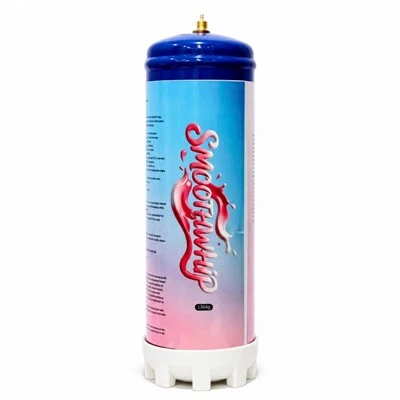
If you’re tired of worrying about gas leaks, expired cylinders, or safety audits, and you want a partner that actually knows their stuff when it comes to industrial gases, reach out to us for a supply and storage consultation. We don’t do one-size-fits-all—we’ll assess your space, your needs, and help you set up a storage system that keeps your team safe and your operations running smooth.
Cream Charger Accessories References:
- Compressed Gas Association. (2022). Handbook of Compressed Gases, 5th Edition.
- Occupational Safety and Health Administration (OSHA). (2021). Safety and Health Guidelines for Compressed Gas Cylinders.
- National Fire Protection Association (NFPA). (2020). NFPA 55: Compressed Gases and Cryogenic Fluids Code.
- U.S. Department of Transportation (DOT). (2023). Pipeline and Hazardous Materials Safety Administration: Compressed Gas Cylinder Storage and Handling Regulations.
Smoothwhip Industrial Co., Ltd.
Address: Room 1306, Building 4, U-Tiandi, No. 178 Puhui Road, Jiuting Town, Songjiang District, Shanghai
E-mail: info@safety-plus.cn
WebSite: https://www.smwhip.com/
